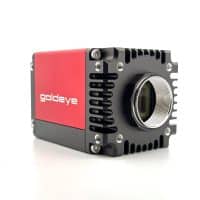

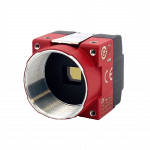



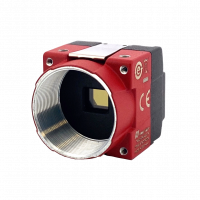
Alvium VSWIR | Modular Design TEC-less Cameras with Sony IMX sensors
Sensor Type
Sony SenSWIR InGaAs
Sensitivity
VSWIR 400 - 1700 nm
IMX992 & IMX993
5 MP, 3 MP - 3.45 µm pitch
IMX991 & IMX990
1.3 MP, 0.3 MP - 5 µm pitch
Sensor Mode - Max Frame rate
Global shutter - See spec table
Interface
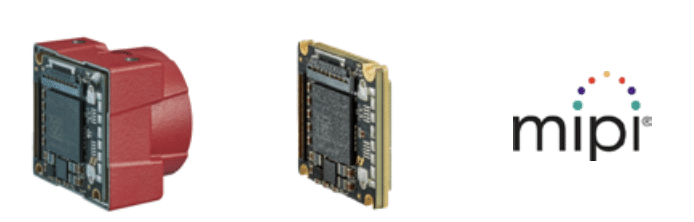
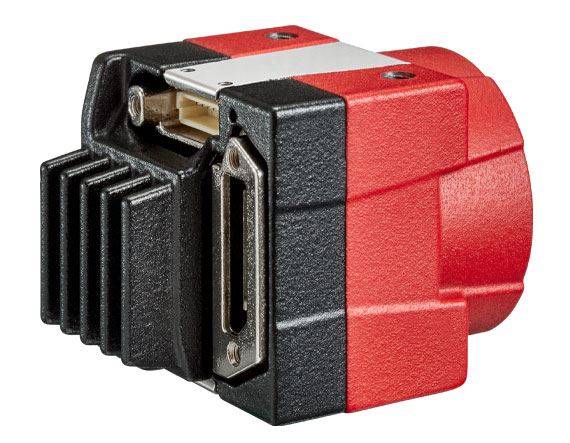
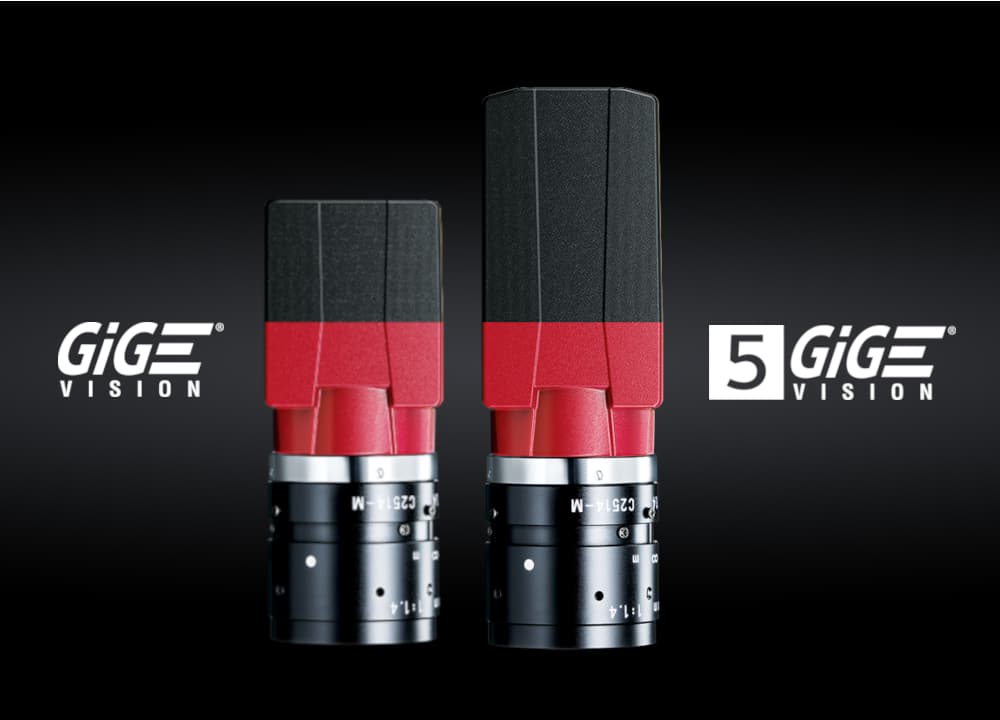
USB3, MIPI CSI-2, GigE, 5GigE, FPD-Link III, G
Operating systems & APIs
Windows, Linux, ARM64, macOS - APIs for C,C++,.NET & Python
European Availability
Available at Axiom Optics Europe
 Description
 Specifications
 QE Curve
 Applications
 Pictures
 Videos
 Downloads
 Publications
- Software
- Accessories
- Drawings
 Lenses
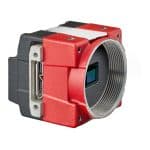
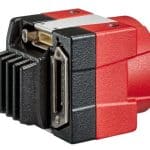
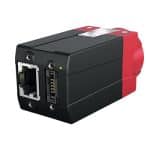
Megapixel uncooled SWIR cameras with Sony SenSWIR InGaAs sensor technology – Alvium VSWIR Sony IMX992 & Sony IMX993
A True plug-and-play feeling
Whether for quick prototyping, R&D purposes or integration in a fully commercialized product, the Alvium VSWIR cameras are the ideal solution with a true plug-and-play feeling. Time to image is reduced thanks to Vimba X SDK, a powerful interface and platform-independent SDK. VIMBA X runs on Windows, Linux and Linux for ARM and comes with APIs for C, C++, .NET and Python. GenICam-based Transport Layers support the Alvium cameras and can automatically connect them to third-party software solutions such as MATLAB, OpenCV, Halcon, CVB, and many more.
Offering Low SWaP+C
The Alvium SWIR cameras come in a compact and light-weight form factor with low power consumption making them the ideal choice to build cost-effective OEM systems used in embedded and machine vision applications. Therefore, the Alvium SWIR cameras are well suited for drones or handheld devices used in various industries such as agriculture, surveillance, solar cell inspection, medical etc.
Largest InGaAs array & smallest InGaAs pixel pitch in the industry
The Sony IMX992 and Sony IMX993 have approximately 5.32 and 3.21 megapixels respectively, making them the highest-resolution SWIR InGaAs sensors in the industry. To achieve this, Sony has used its original SenSWIR technology to develop a new small pixel size of 3.45 μm, thus offering the smallest InGaAs pixel pitch of the industry.


Read our blog post to discover our plug-and-play laser beam profiling combo Alvium + RayCi software.
A Powerful modular design concept
Design your own Alvium SWIR camera based on your application. Starting with a core configuration, many upgrades and options are made available, thus making the Alvium VSWIR cameras the most versatile solution on the market to this day.
Build your own Alvium VSWIR camera – Sony IMX992 & Sony IMX993
1. Core Configuration


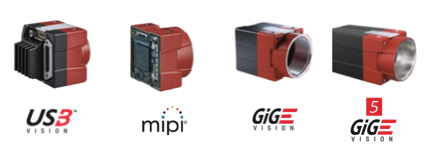

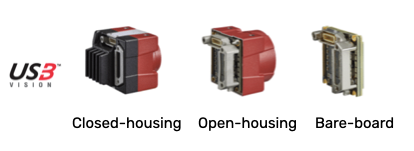

2.Upgrades/Options





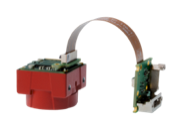

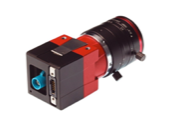

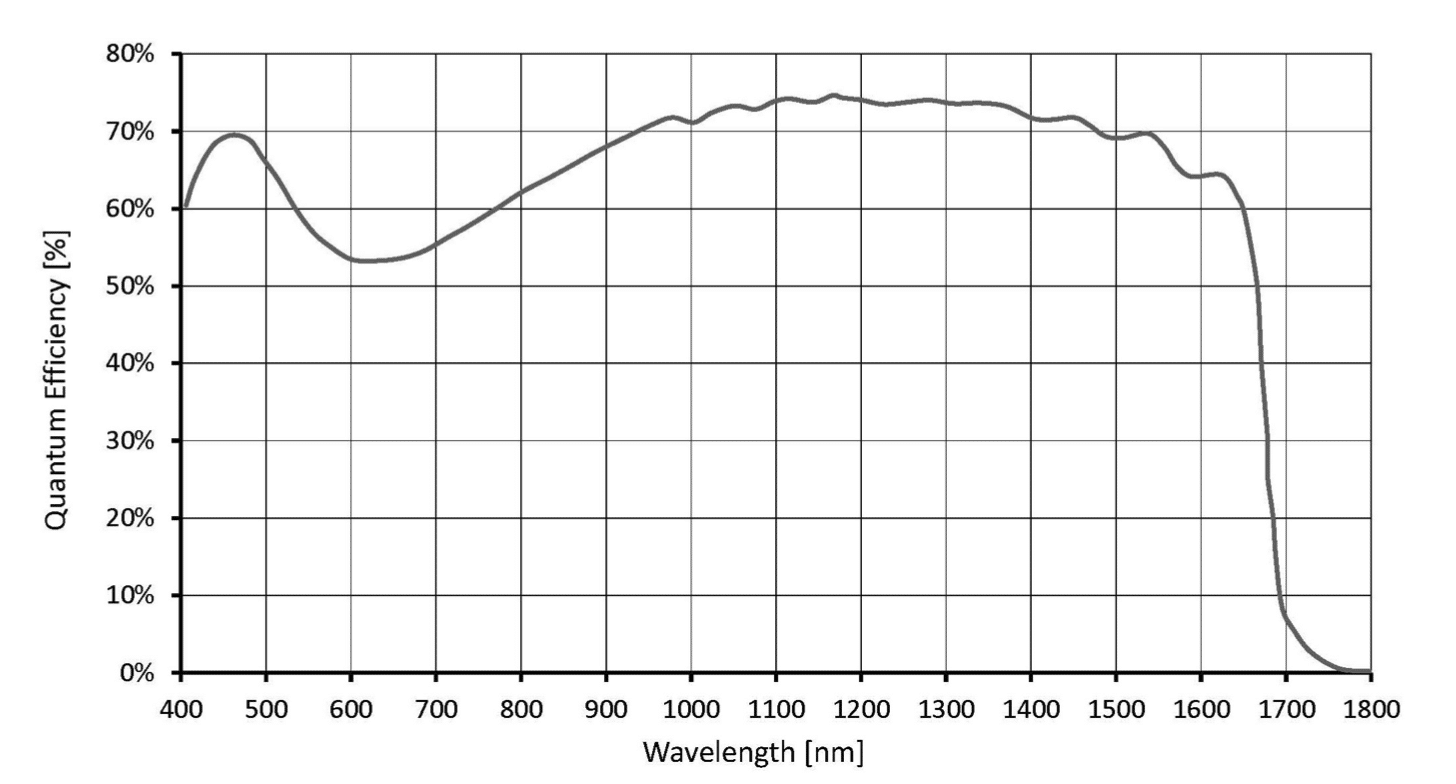
Alvium VSWIR cameras support a spectral range from 400 nm to 1700 nm at high quantum efficiencies. This allows to capture images in both the visible and SWIR spectra with a single camera and enables users to reduce overall system costs.
Equipped with Sony IMX992 or Sony IMX993 SenSWIR InGaAs sensors, Alvium VSWIR cameras deliver high image quality and frame rates at small Size, light Weight, and low Power consumption, including low Cost (SWaP+C). This makes them well suited for drones or handheld devices used in various industries such as, agriculture, mining, solar cell inspection or medical.
Our compact and light-weight Alvium SWIR cameras are the ideal choice to build cost-effective OEM systems used in embedded and machine vision applications. Thereby, the industrial grade Alvium VSWIR cameras and drivers provide a plug & play feeling whenever setting up your system solution.
Alvium GigE, 5GigE, and USB cameras can be easily integrated into embedded systems with Allied Vision’s next generation Vimba X SDK, a fully GenICam-compliant platform-independent SDK for all Allied Vision cameras with GigE, 5GigE and USB3 Vision Interface.
GenICam-based Transport Layers support the Alvium vVSWIR cameras and can automatically connect them to third-party software solutions such as MATLAB, OpenCV, Halcon, CVB, and many more.
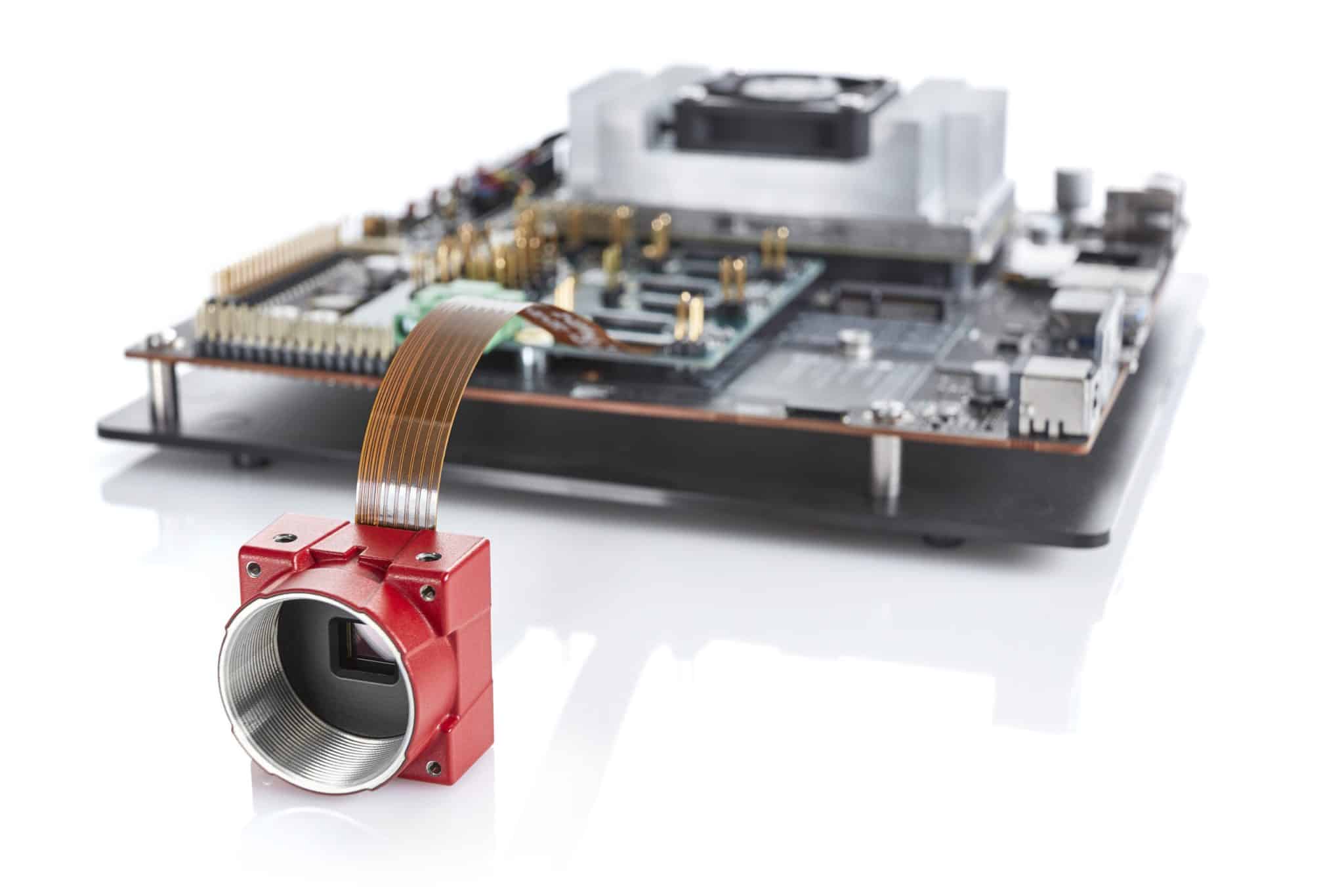
To operate Alvium CSI-2 cameras on your vision system, Allied Vision provides different access modes:
- GenICam for CSI-2 Access controls the camera by GenICam features, using the Alvium CSI-2 driver and CSI-2 transport layer (TL) directly.
- Direct Register Access (DRA) to control the cameras via registers for advanced users.
- Video4Linux2 Access allows to control the cameras via established V4L2 API and applications like GStreamer and OpenCV.
Alvim VSWIR benefits at a glance:
- Small size, low weight, power, and costs enable you to build SWaPc solutions:
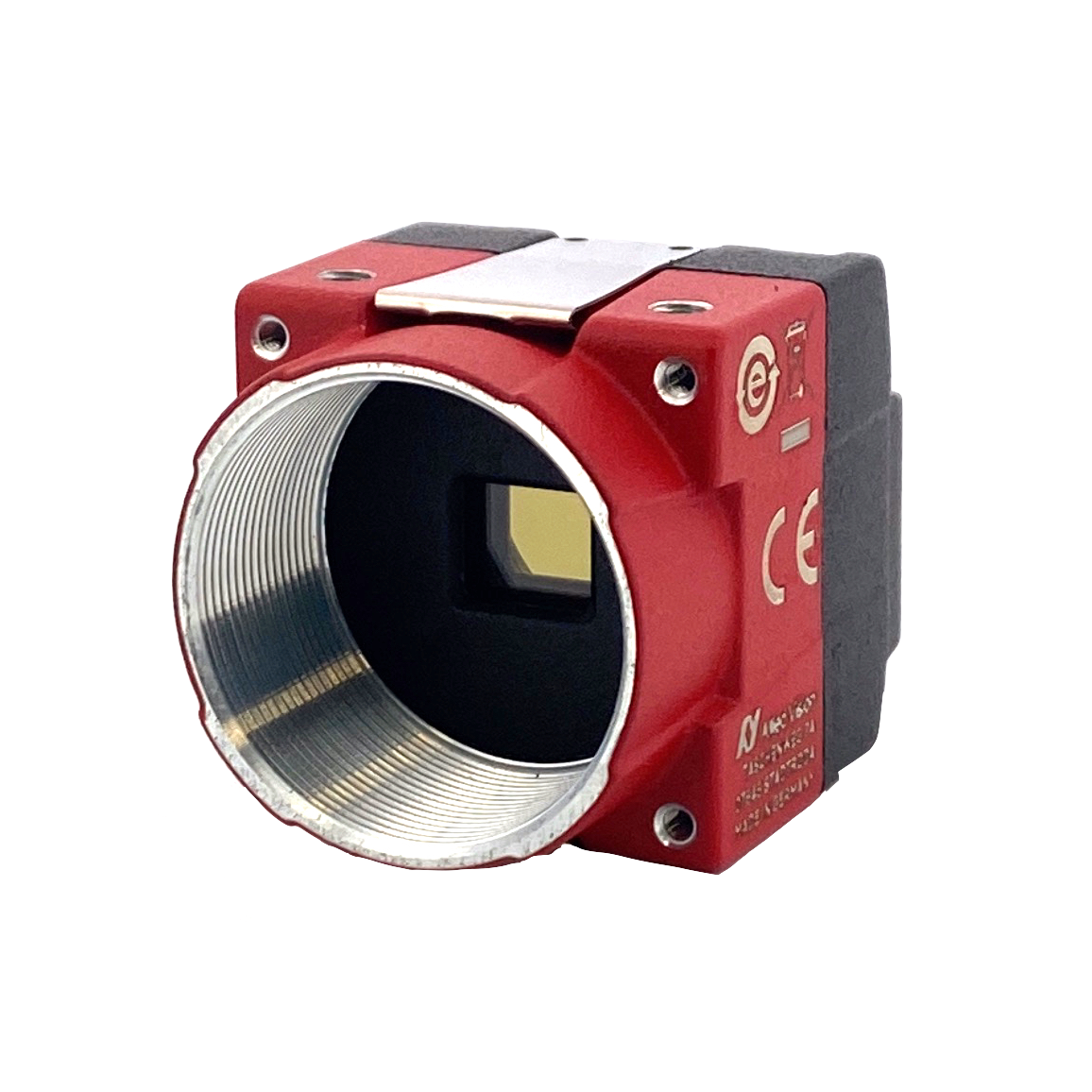
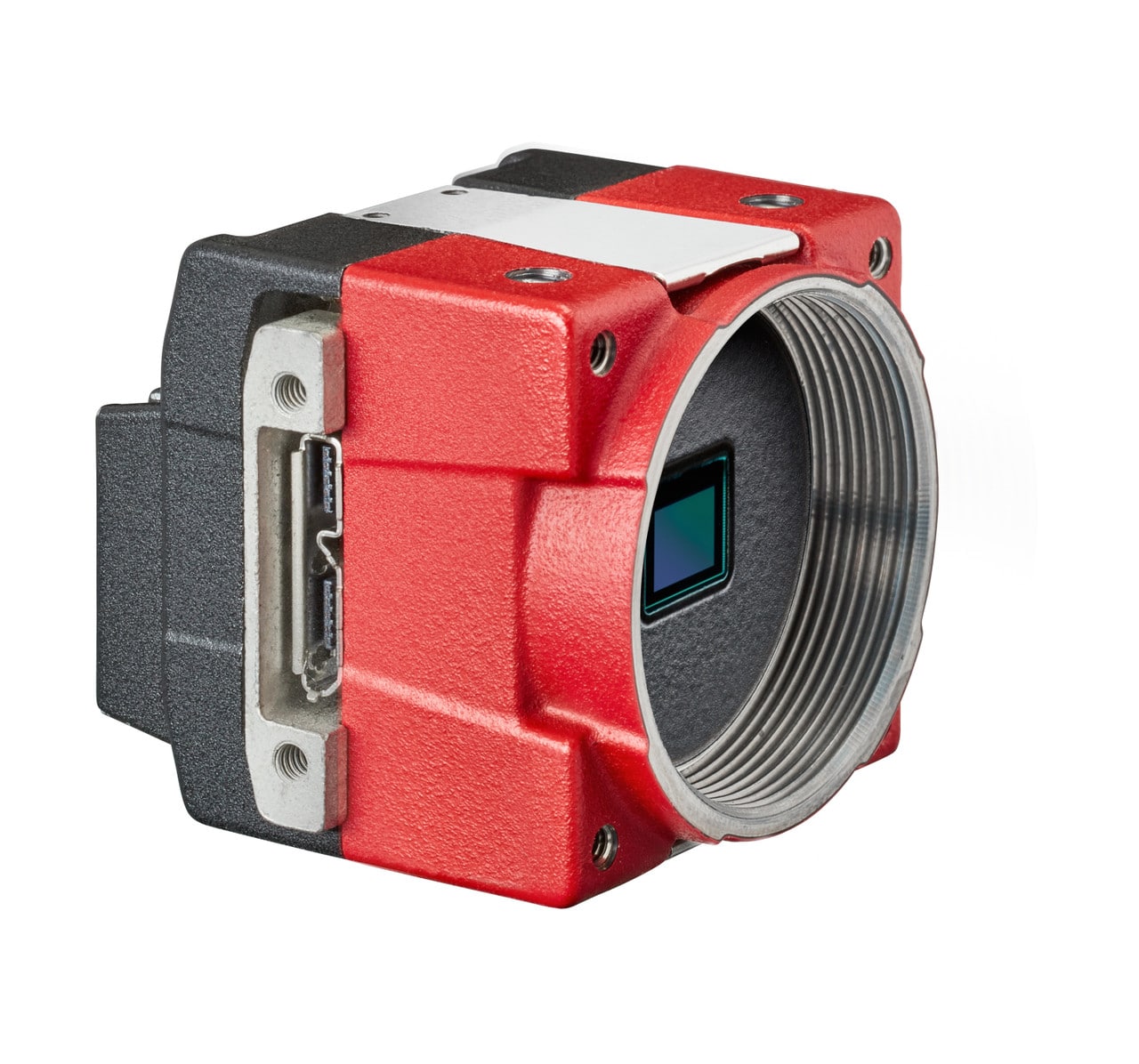
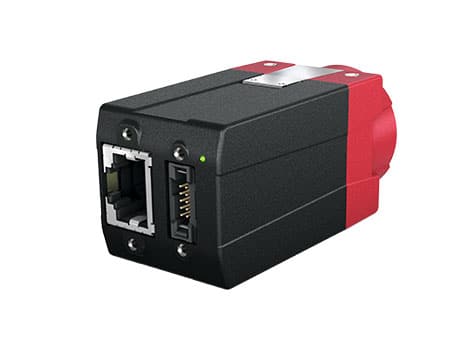
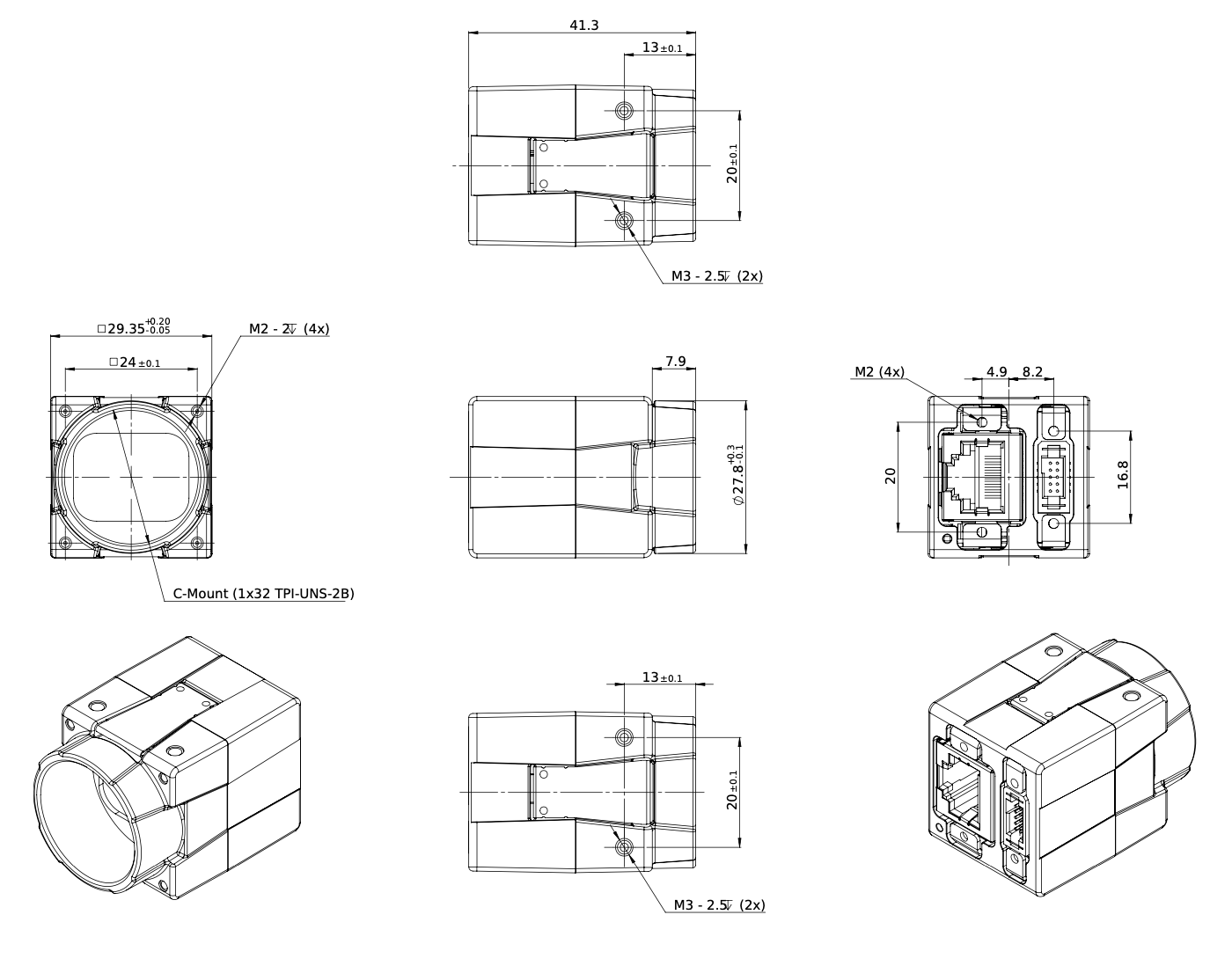
- Compact housing with small WxH footprint of 29mm x 29mm
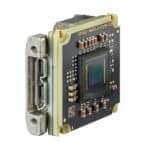
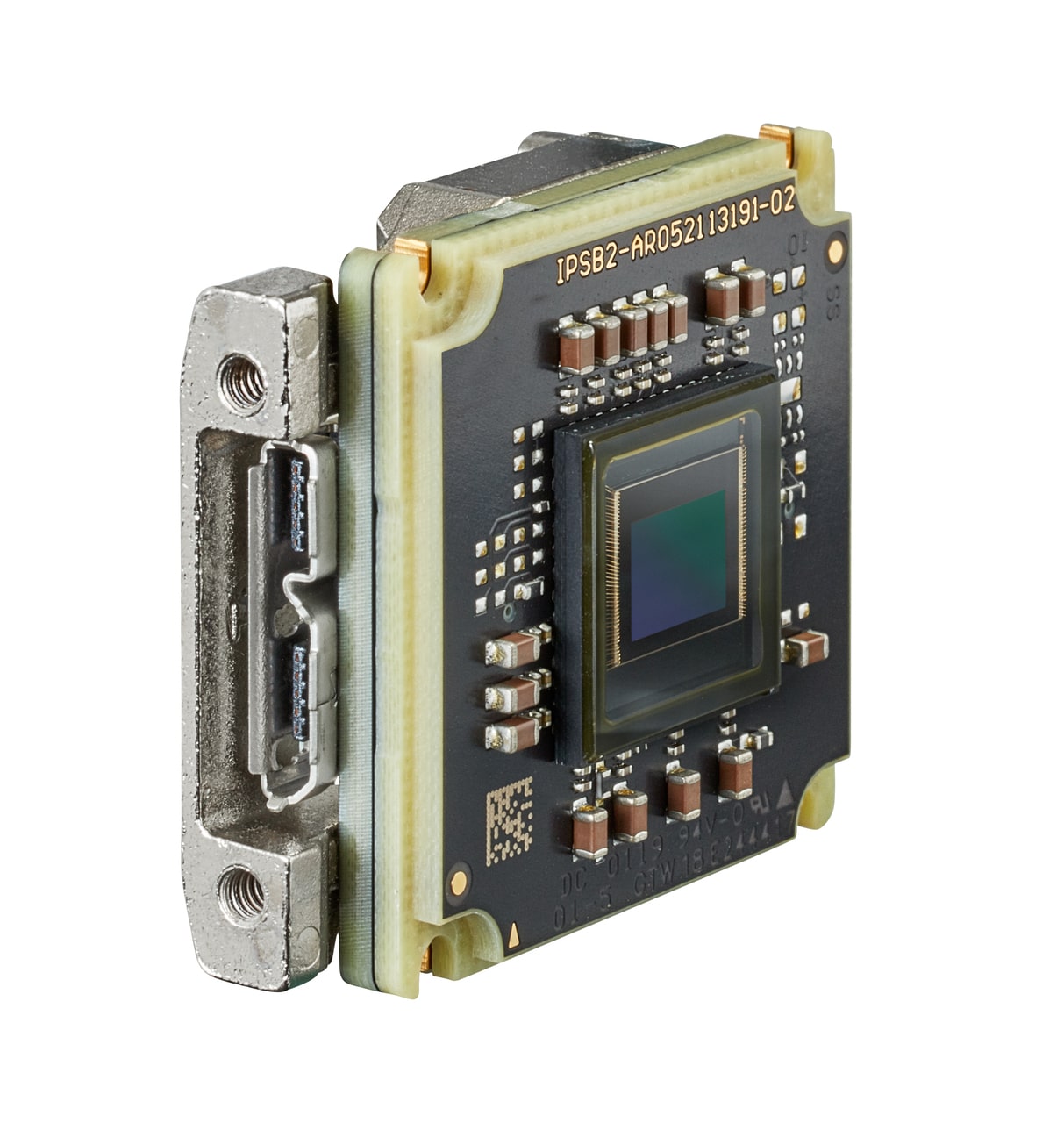
- Bare-board and open-housing options for very compact system designs
- Low power consumption <2W ideal for battery powered system
- Innovative digital InGaAs sensors with the industry‘s smallest pixels and a high-precision sensor alignment at production time provide you great image quality, which will increase the accuracy of your inspection system
- High frame rates and flexible ROI control options empower you to speed up processes on-demand
- On-board Automatic Gain Control (AGC) and Contrast Control will enhance your vision quality under challenging conditions, like: 24h day & night imaging or when seeing through dust or haze
- A wide operating temperature range and on-board temperature monitoring secure you a reliable operation under diverse conditions
Features of Alvium 1800 SWIR cameras:
- Resolutions: up to 1.3 megapixels
- Sensor: Innovative Sony SenSWIR InGaAs sensors supporting a wide spectral range from 400 nm to 1700 nm
- Frame rates: up to 223 frames per second
- Housing options: Bare Board, Open Housing, or Closed Housing
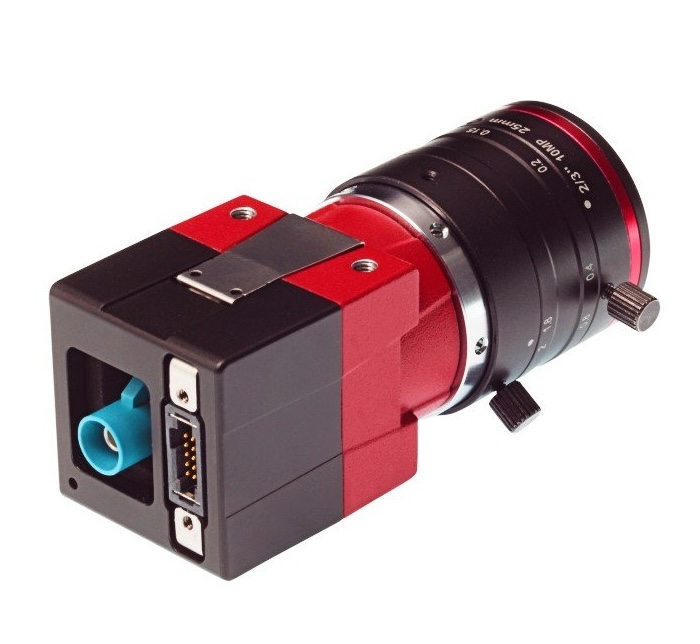
- Lens mount options: C-Mount, CS-Mount, or S-Mount
- Power consumption: <2W
- Operating temperature: -20°C to +65°C (case temperature)
For cooled version, see Goldeye SWIR G-130 and G-030 cameras.
To learn more about SWIR applications, visit our application page here.
ALVIUM® is a powerful, energy-efficient processor including an Image Signal Processor (ISP) and an Image Processing Library (IPL). It allows image corrections and pre-processing on the camera to optimize image quality and throughput for your application while offloading your CPUs on the embedded system.
Visit our SWIR application page now!
- Semiconductor industry: Solar cell and chip inspection
- Recycling industry: Plastic sorting
- Medical imaging, sciences: Hyper- and multi-spectral imaging
- Glass industry: Defect detection through hot glass
- Agriculture industry: Airborne remote sensing
- Printing industry: Seeing hidden features
- Surveillance: Vision enhancement (for example, seeing through fog or haze)
- Security: Counterfeit detection (such as for money, faked hair, or skin)
Read more about the SenSWIR technology
Read more about InGaAs
QE Curve – Sony IMX990, IMX991, IMX992 and IMX993
Alvium VSWIR Applications
Visit our SWIR application page now!
- Semiconductor industry: Solar cell and chip inspection
- Laser beam profiling: See new blog post ‘Profiling laser beams between 400 and 1700 nm made easy with Alvium + RayCi combo’

- Recycling industry: Plastic sorting
- Medical imaging, sciences: Hyper- and multi-spectral imaging
- Glass industry: Defect detection through hot glass
- Agriculture industry: Airborne remote sensing
- Printing industry: Seeing hidden features
- Surveillance: Vision enhancement (for example, seeing through fog or haze)
- Security: Counterfeit detection (such as for money, faked hair, or skin)
Alvium VSWIR Accessories
USB cables – Alvium vswir – Sony IMX993
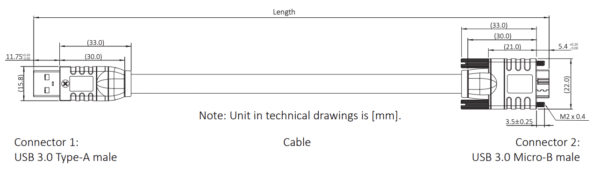
| 1m – USB 3.0 micro B straight double-screw connector <-> USB 3.0 standard A straight double-screw adaptor |
| 3m – USB 3.0 micro B straight double-screw connector <-> USB 3.0 standard A straight double-screw adaptor |
| 5m – USB 3.0 micro B straight double-screw connector <-> USB 3.0 standard A straight double-screw adaptor |
| 8m – USB 3.0 micro B straight double-screw connector <-> USB 3.0 standard A straight double-screw adaptor |
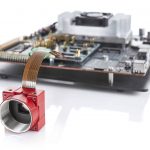
MIPI CSI-2 FPC cables
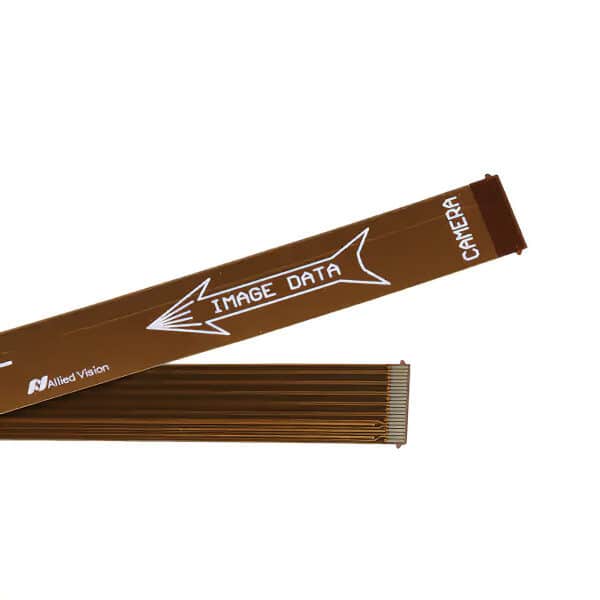
| MIPI CSI-2 FPC cable 120 mm |
| MIPI CSI-2 FPC cable 220 mm |
| MIPI CSI-2 FPC cable 420 mm |
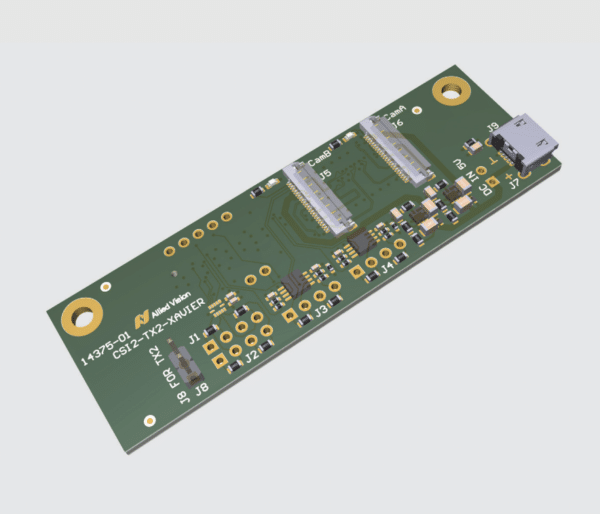
Adapter board for NVIDIA Jetson TX2 and AGX Xavier
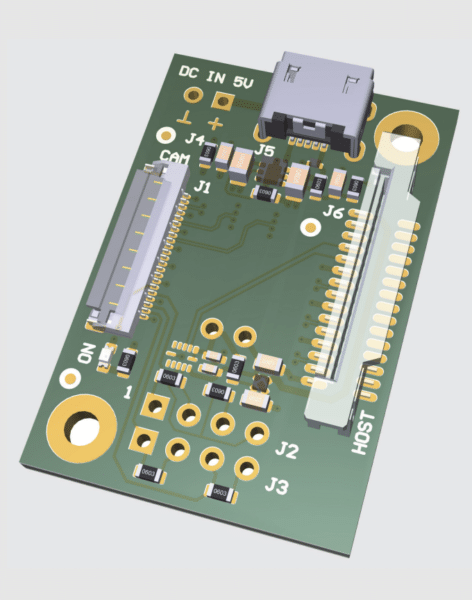
Adapter board for NVIDIA Jetson Nano and Jetson Xavier NX Developer Kit
I/O cables
| 0.4m – 7P JST <-> open end for Alvium USB3 cameras |
| 3m – JST with screw lock <-> open end for Alvium USB3 cameras |
Mount adapter
Tripod mounting plate for Alvium CSI-2 and USB3 cameras. 1x UNC 1/4-20 1x M6 thread

USB
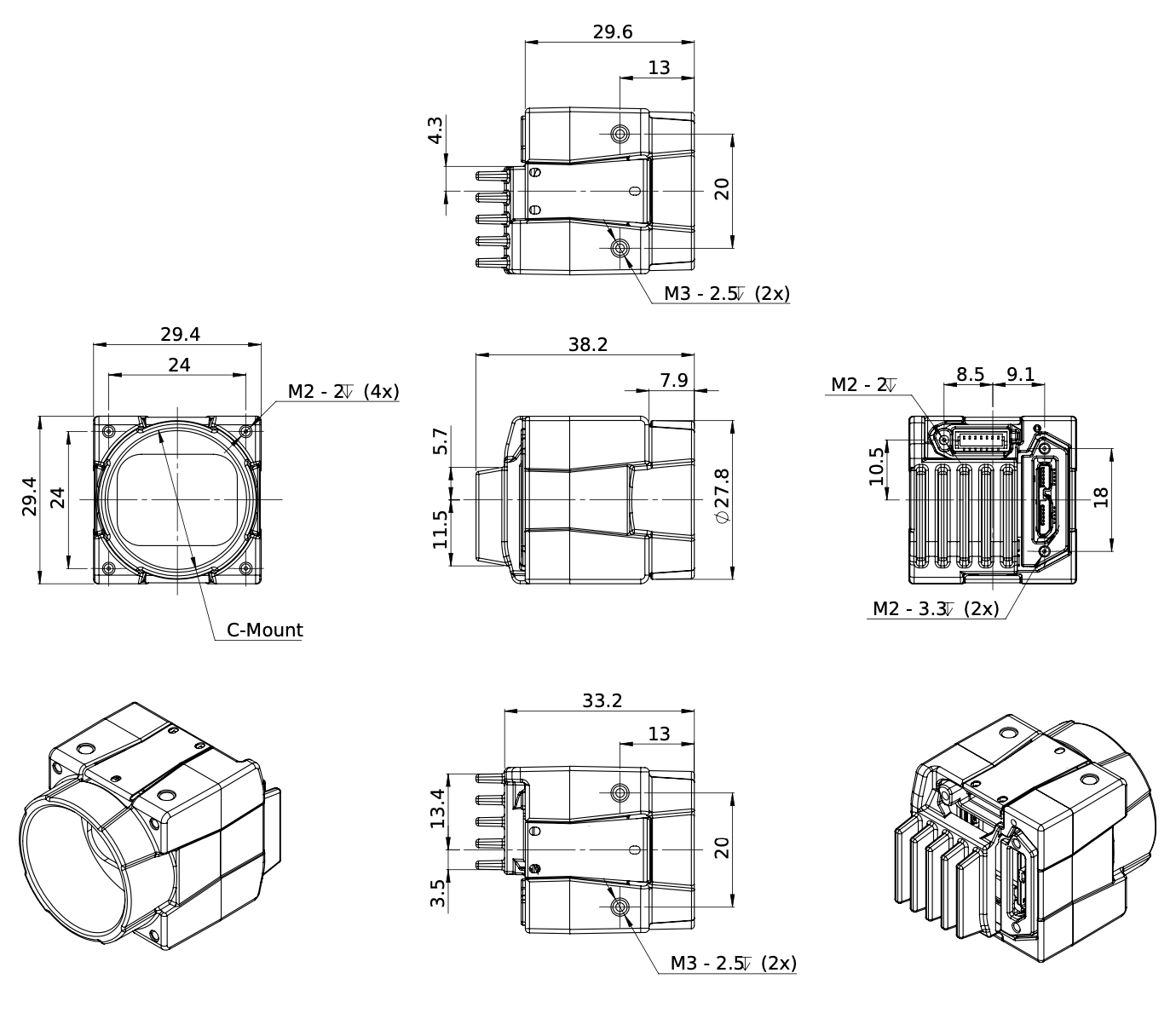
5 GigE
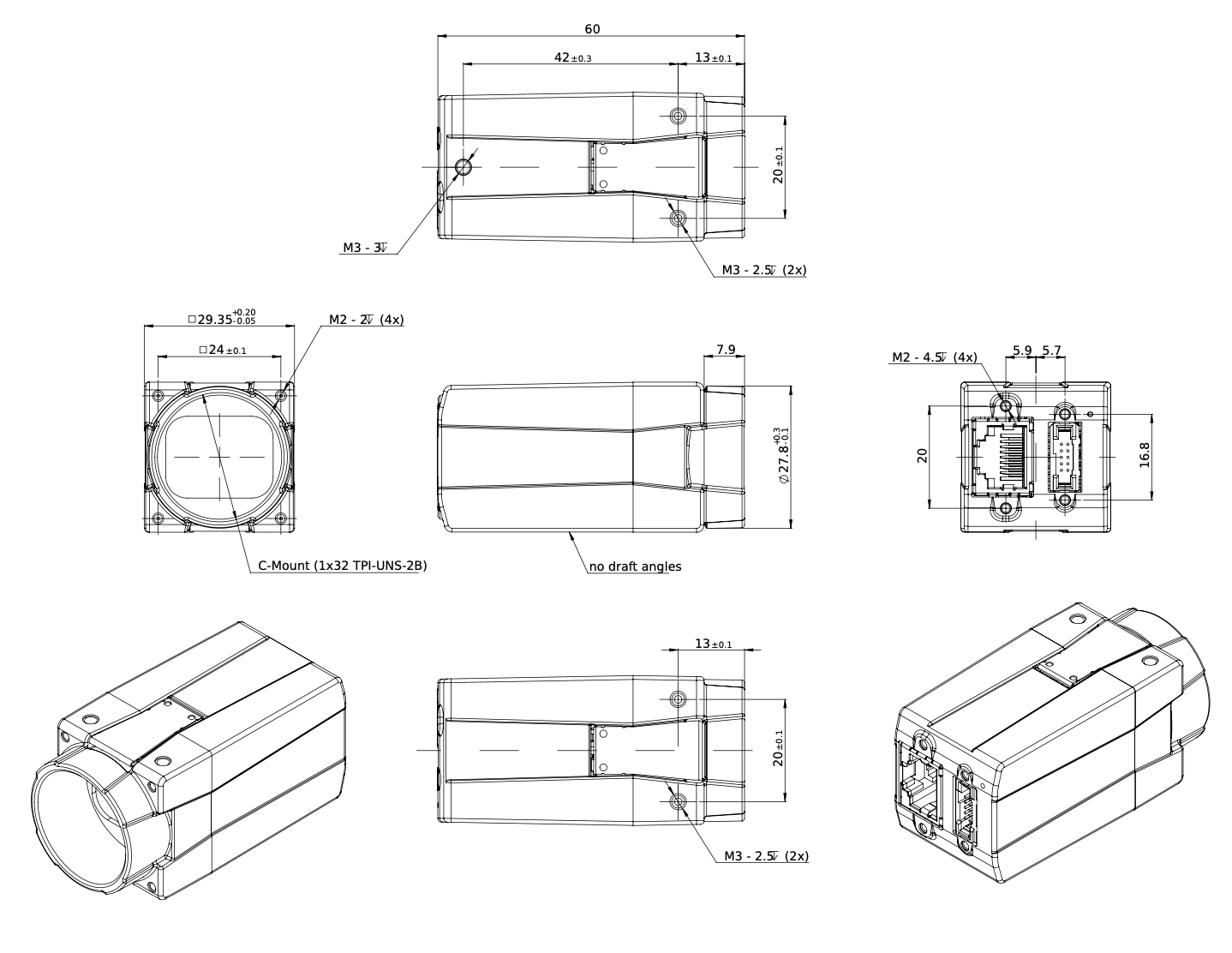
1 GigE
SWIR Lenses
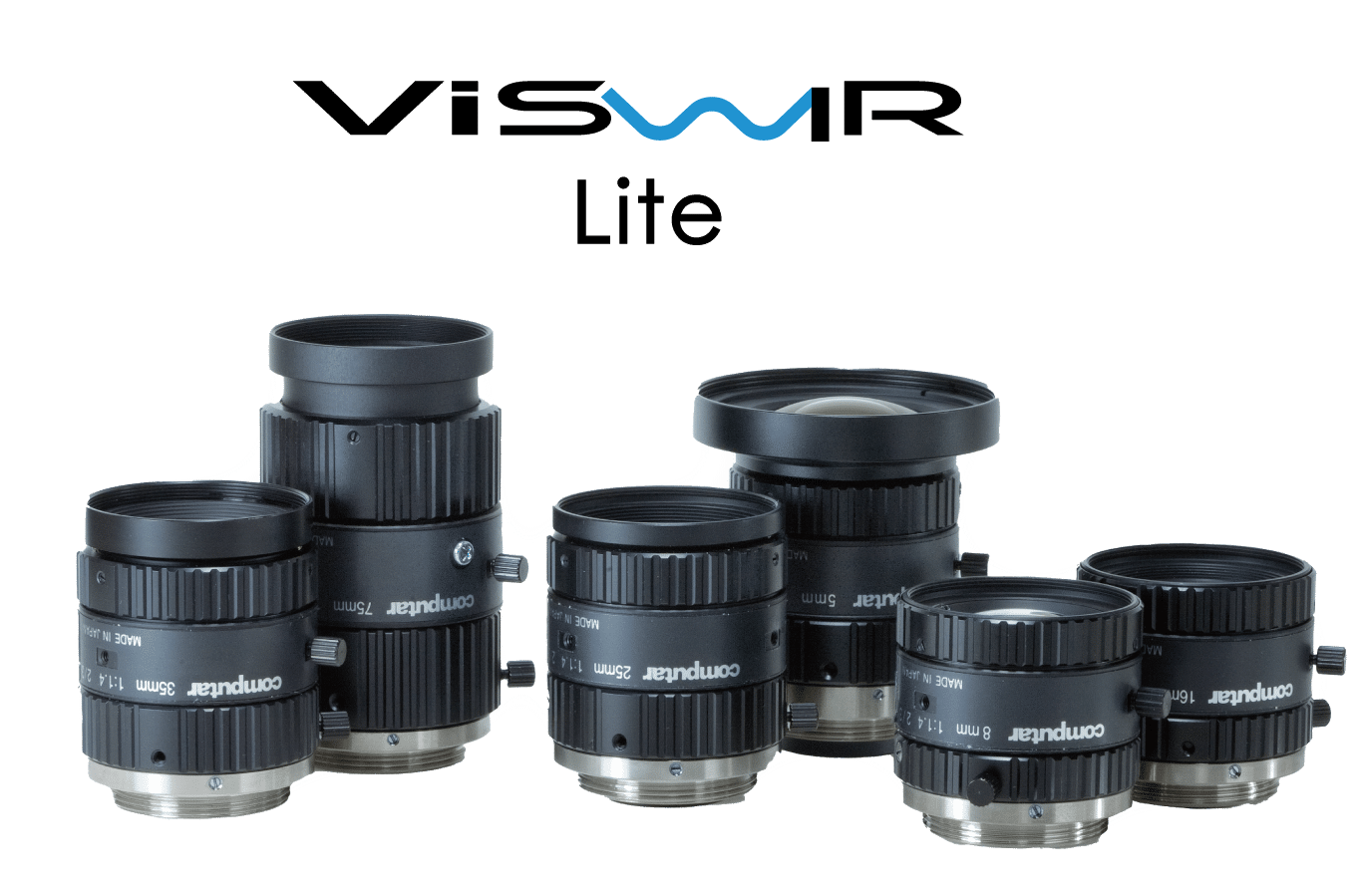
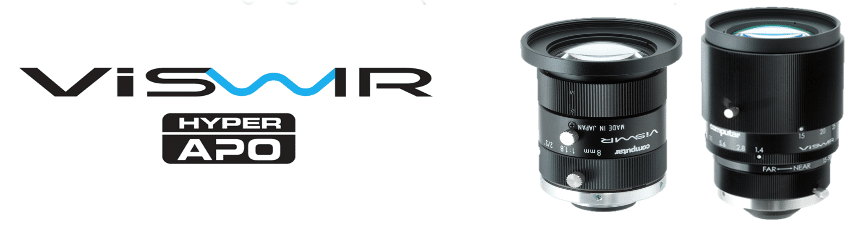
Click the image below to view all available SWIR lenses.