

ULTRIS X20 Plus | High-Resolution Hyperspectral Camera for Drones
Max Resolution
1886 x 1886 pixels
Wavelength Range
350 - 1000 nm
Number of Bands
164
Field of View
35°
Dimensions
86 x 121 x 105 mm
Weight
630 g
 Description
 Specifications
 Applications
 Pictures
 Videos
 Downloads
 Publications
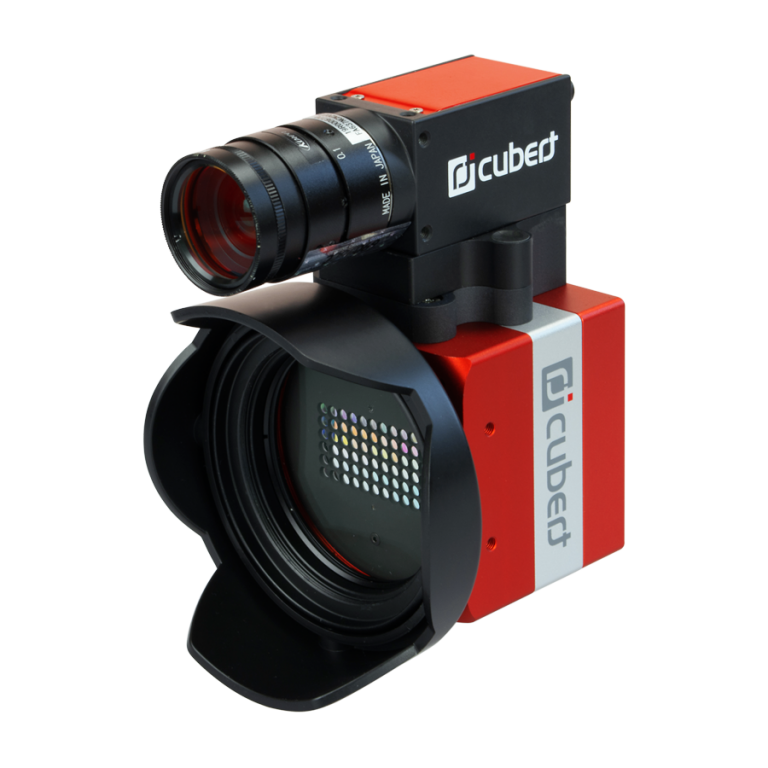
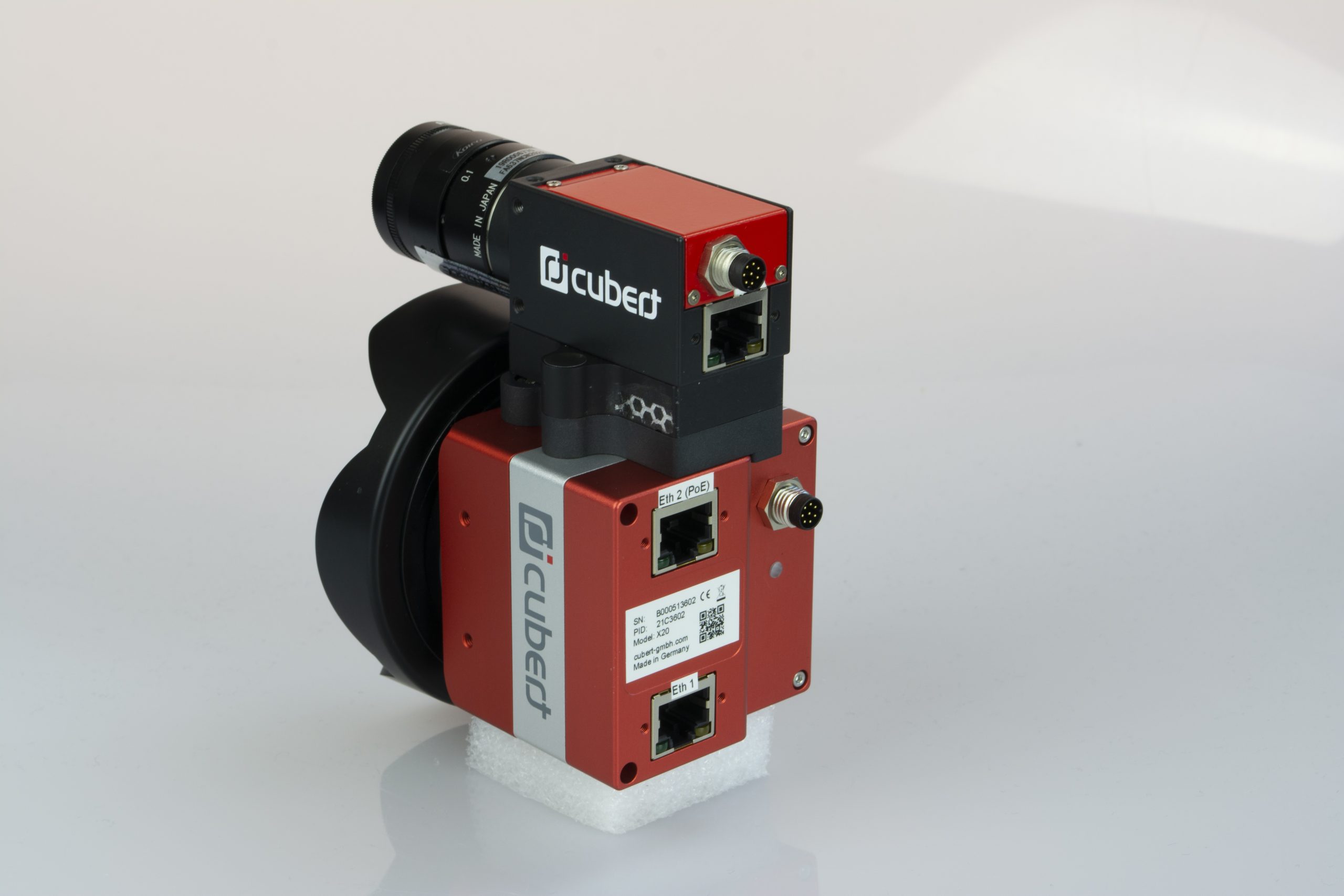
Discover the ULTRIS X20 Plus, a cutting-edge dual-sensor hyperspectral camera for drones, engineered for high-resolution aerial mapping and remote sensing applications. Designed for seamless integration with drones like the DJI Matrice M300/350 RTK, this lightweight system (630g) delivers unparalleled detail and accuracy for professional-grade data acquisition.
Key Features & Benefits:
- Dual-Sensor Technology: The ULTRIS X20 Plus features a sophisticated dual-sensor design, combining a hyperspectral camera with a second panchromatic camera. This innovative approach ensures highly detailed imagery for precise aerial mapping.
- Exceptional Spatial Resolution: Achieve stunning clarity with a panchromatic resolution of 1886 x 1886 pixels. The system utilizes advanced pansharpening techniques to enhance images, significantly boosting the spatial resolution of spectral data and the spatial accuracy of resulting mosaics.
- Broad Wavelength Coverage: Capture comprehensive spectral data across a wide wavelength range of 350-1000 nm, featuring 164 spectral bands and a constant 10 nm spectral data point resolution.
- Versatile Drone Compatibility: Weighing only 630g, the ULTRIS X20 Plus is compatible with a wide array of drones, offering flexibility for various aerial data recording needs.
- Integrated Software Solutions: The CUVIS software processes raw, reflectance, and radiance data, retaining minimal raw data consumption. Exported data in ENVI and TIFF formats seamlessly integrates with common GIS and mapping software, supporting crucial processes like pansharpening. GPS metadata is also written to exported files, essential for stitching software.
-

The ULTRIS X20 Plus, seen here with the UXG Gimbal mounted on a DJI Matrice M300/350 RTK, offers flexible data recording via time lapse or direct UAV triggering. The gimbal features a Windows-based mini-computer running Cubert CUVIS software for seamless flight data recording. Via DJI-Skyport, it provides automatic camera triggering and RTK GPS signals for each data file.
-

drone Infrared shot, captured by an X20 Plus
CUVIS Software
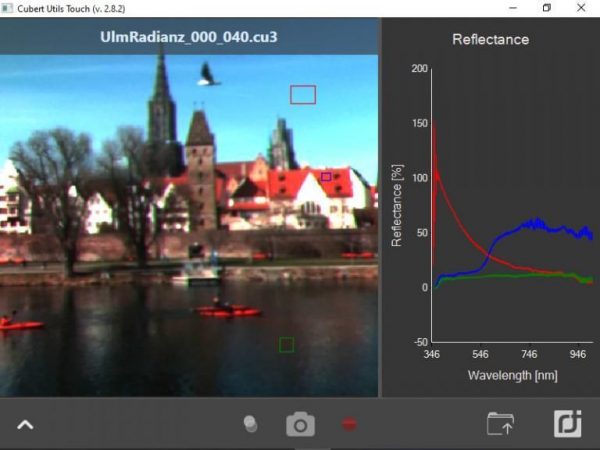
The ULTRIS X20 is seamlessly integrated with Cubert’s CUVIS Software, the foundational platform for Cubert’s hyperspectral imaging solutions. CUVIS combines advanced capabilities with exceptional ease of use, simplifying the complexities of hyperspectral imaging while providing powerful tools for real-time data acquisition and analysis. It offers a robust set of features, including customizable settings, white and dark current referencing, and multiple operating modes to ensure accurate and efficient imaging across various applications. CUVIS provides tools for advanced processing directly within its intuitive interface, allowing users to utilize plugins for specific imaging needs, calculate and display custom spectral indices, and efficiently record, process, and save raw data in formats like ENVI and TIFF. Tailored for both standalone use and incorporation into larger workflows, CUVIS is built to support AI integration and emerging technologies. For seamless integration into your established processes, a Software Development Kit (SDK) with wrappers for C++ and Python is also available.