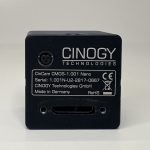
 Description
 Specifications
 Applications
 Videos
 Downloads
CinCam CMOS Nano and Pico: A Super Compact Laser Beam Profiler
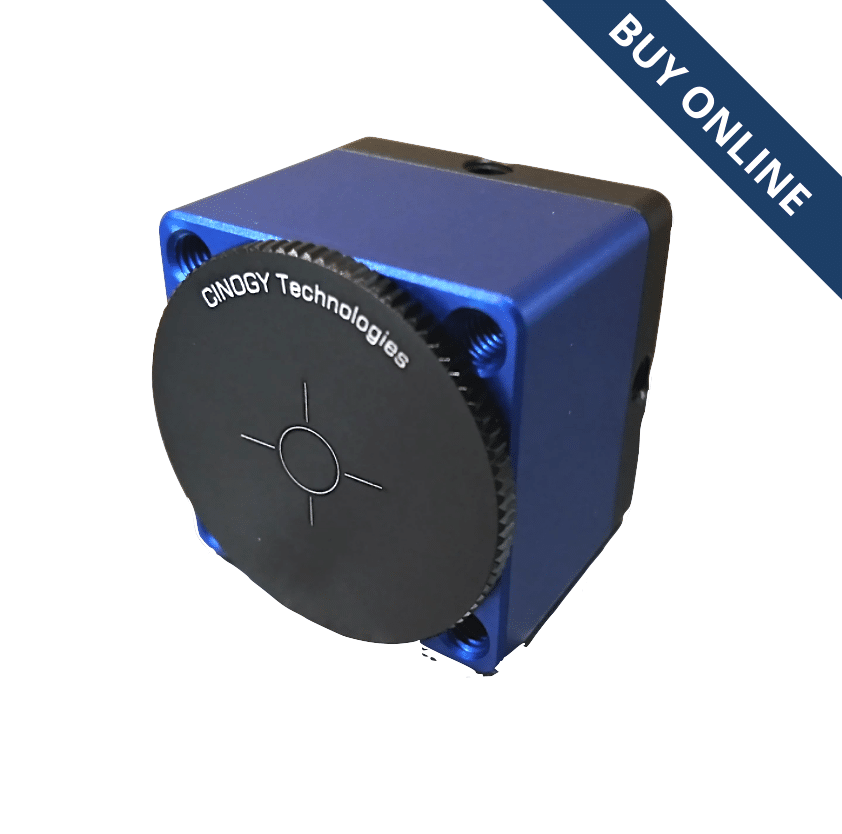
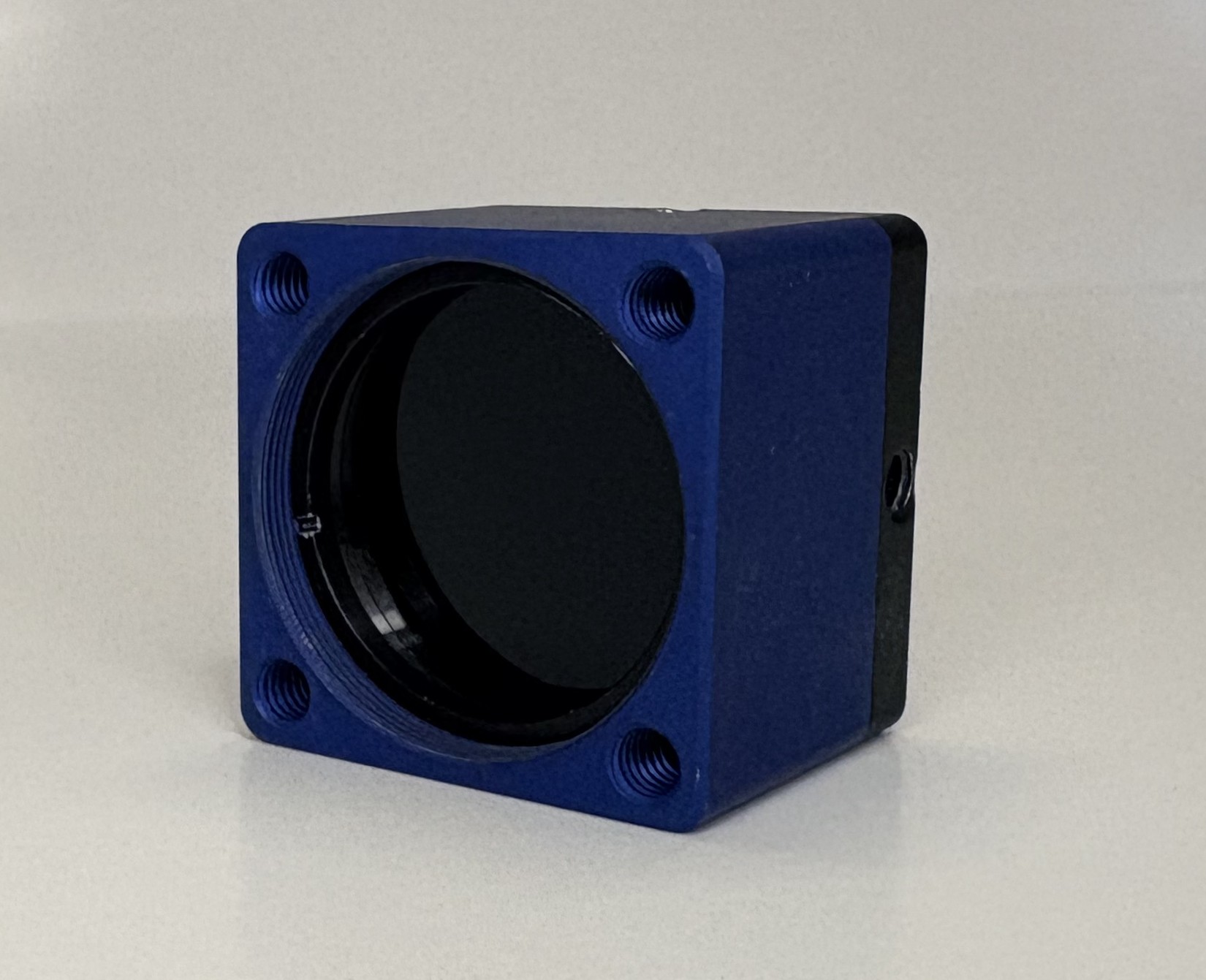
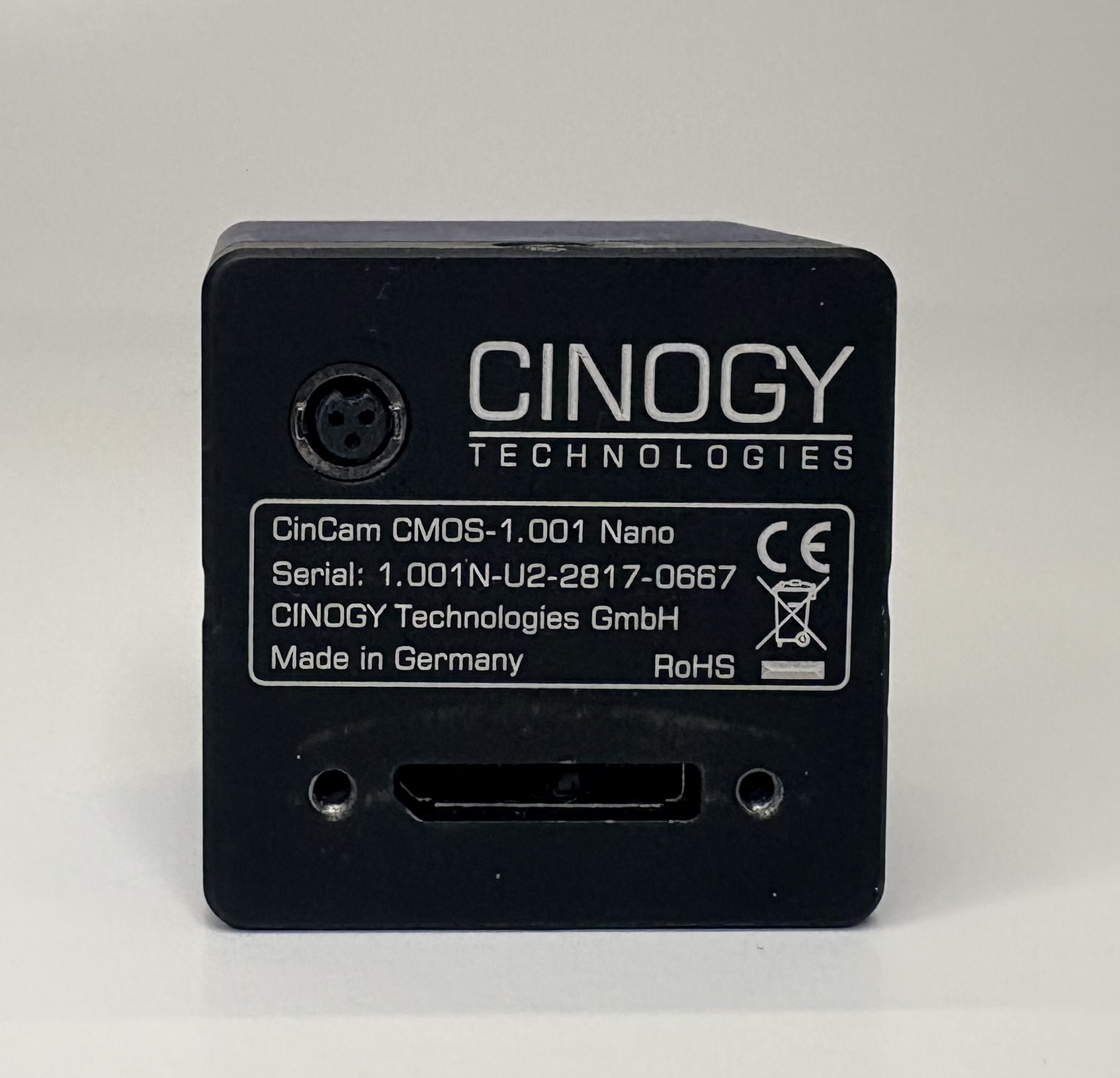
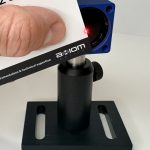
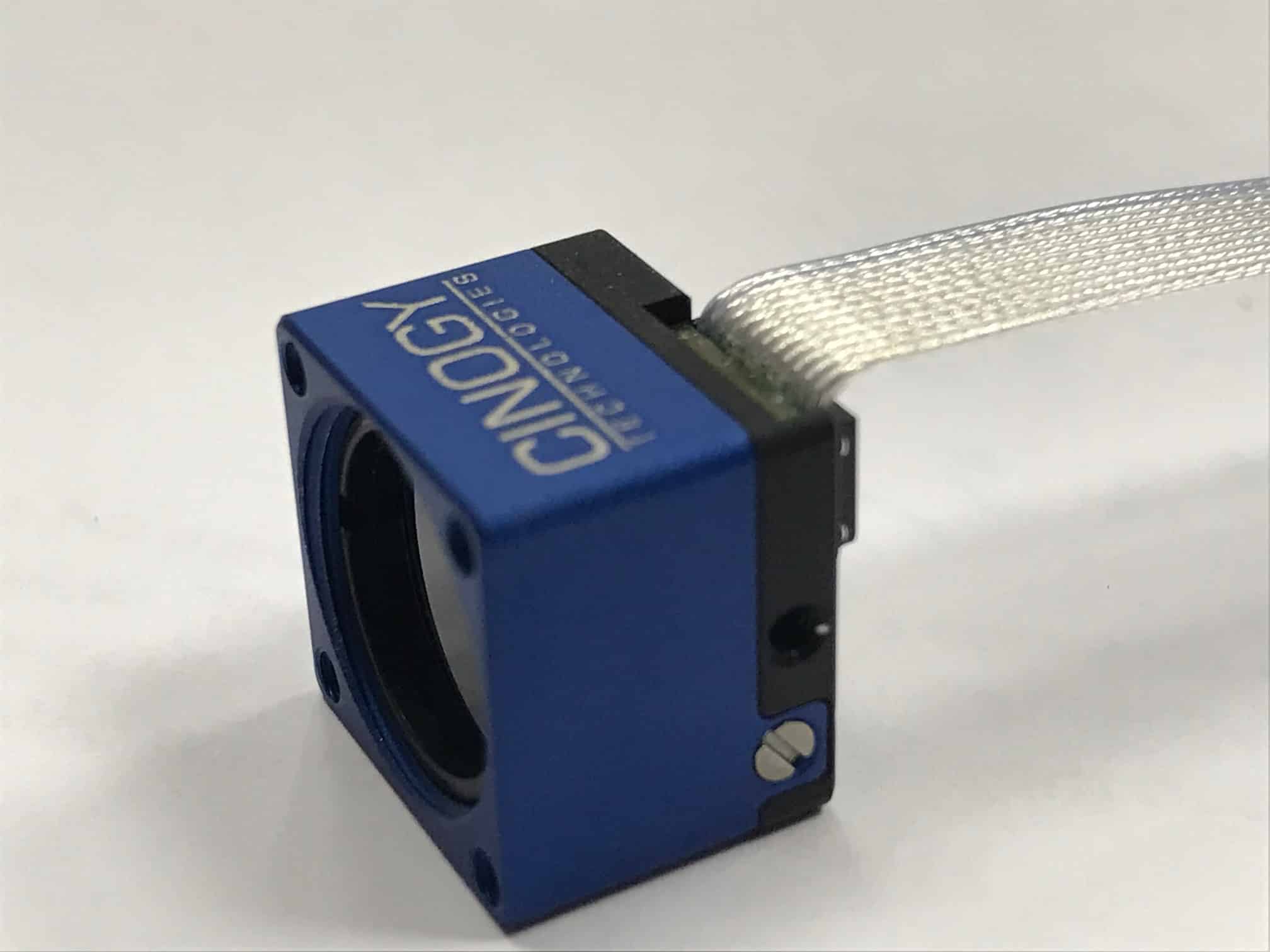
The CinCam CMOS -Nano Series and -Pico Series offers a very compact footprint for laser beam measurements in small spaces, offering a cost-effective & high quality beam profilers based on Megapixel CMOS sensor.
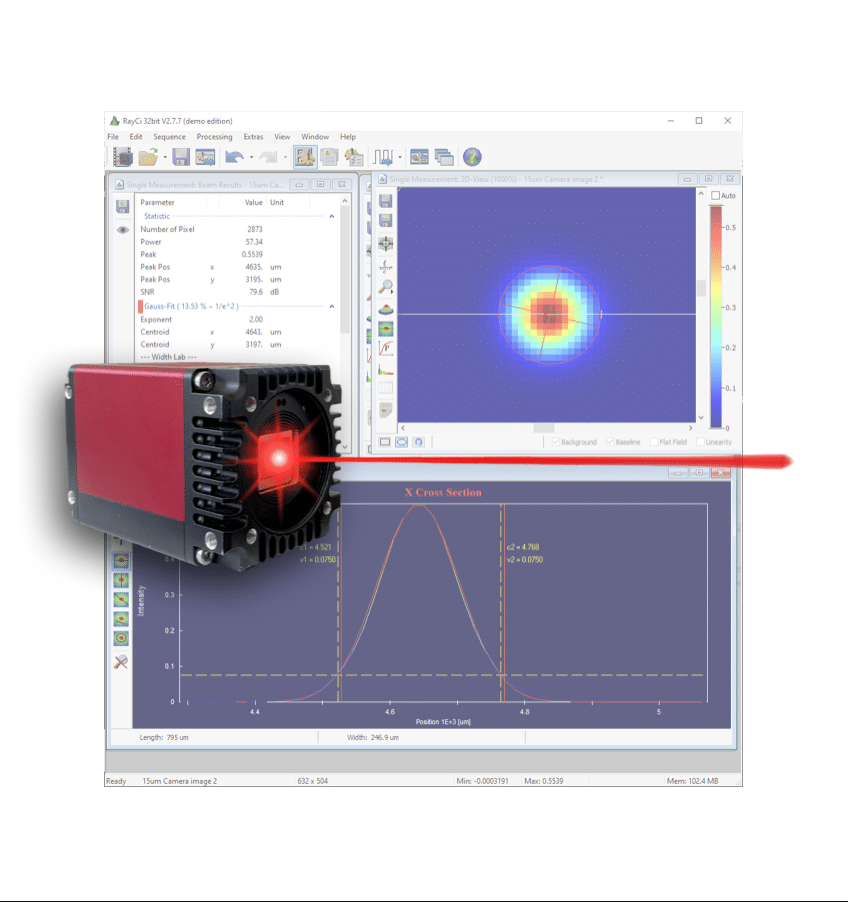
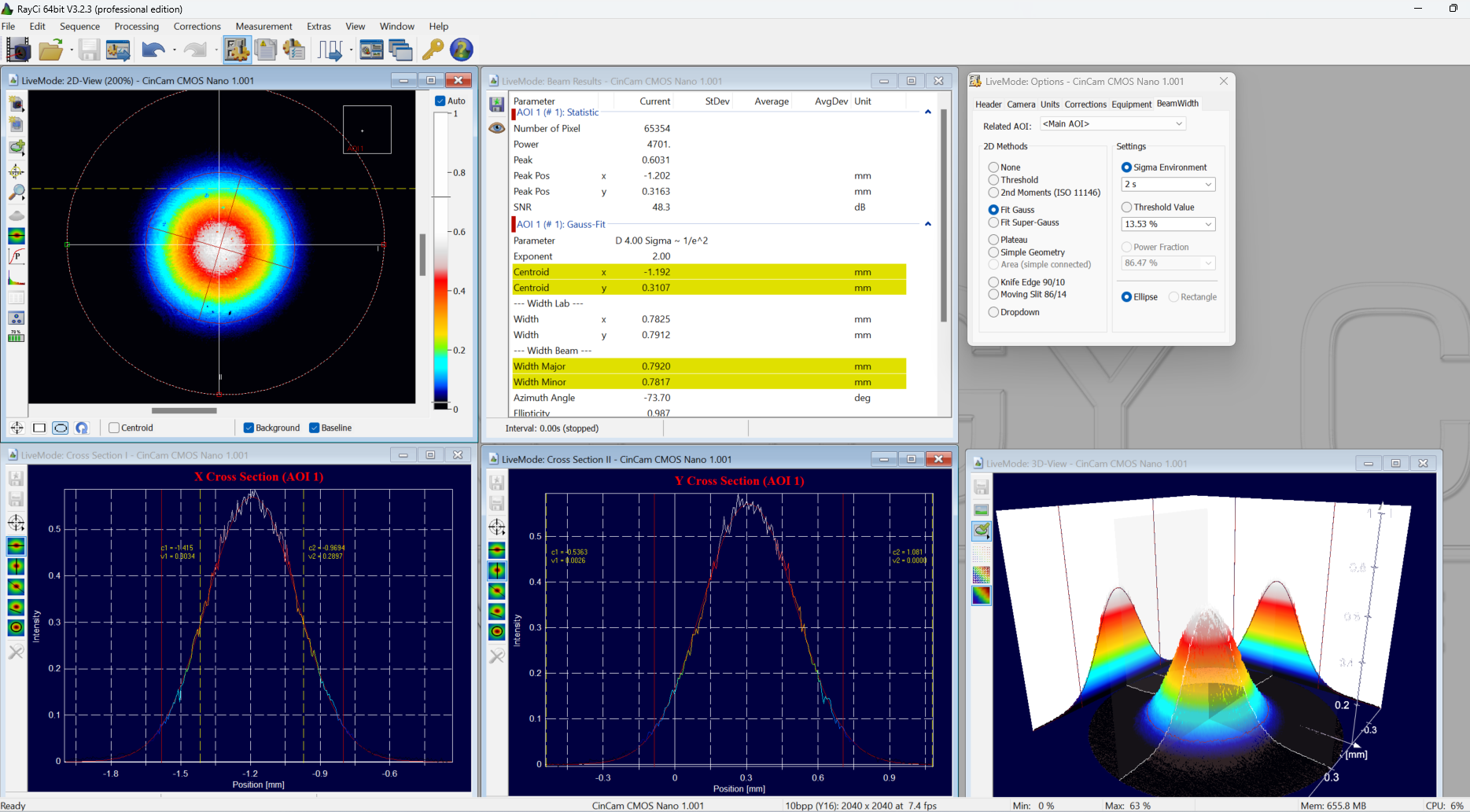
The CinCam CMOS beam profilers are available with the specifically designed beam profiling software RayCi, which utilizes new developed correction algorithms and incomparable visualization modes. This ensures the highest accuracy in beam profile analysis according to ISO standards.
The CMOS beam profiling cameras are optimized to provide excellent sensitivity at an outstanding price. The Megapixel CMOS sensor provides accurate laser beam analysis with up to 30fps. The lightweight and ultra-compact design enables easy adaption to standard optical imaging systems and opto-mechanical components ensuring highest flexibility.
CinCam CMOS laser beam profiler includes the specifically designed RayCi analysis software which supports Windows operating systems. Its sophisticated software architecture opens up new opportunities in laser beam analysis according to ISO standards.
CinCam CMOS Nano: Best Balance Between Sensor Size and Compactness
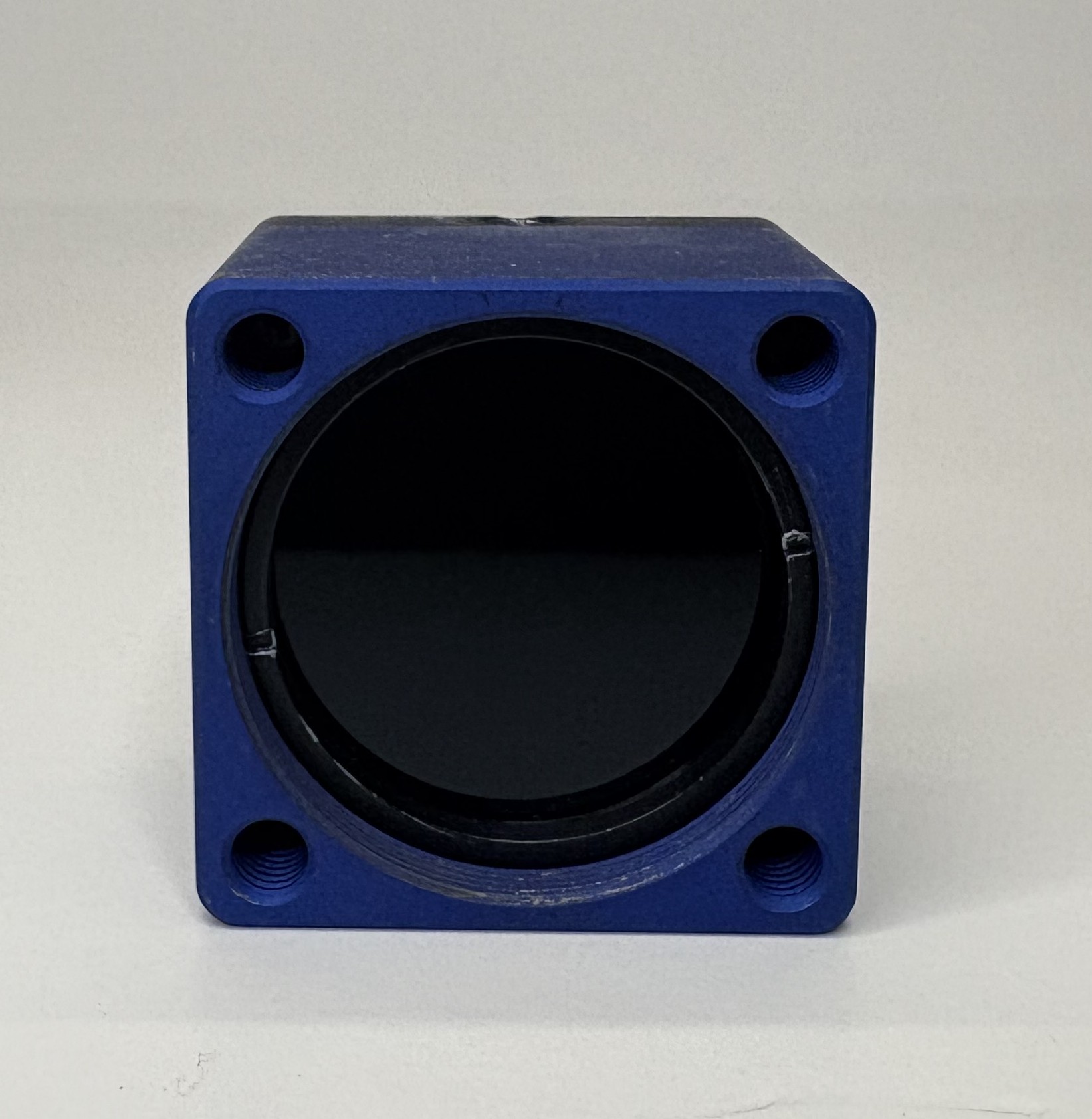
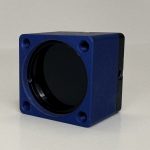
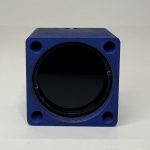
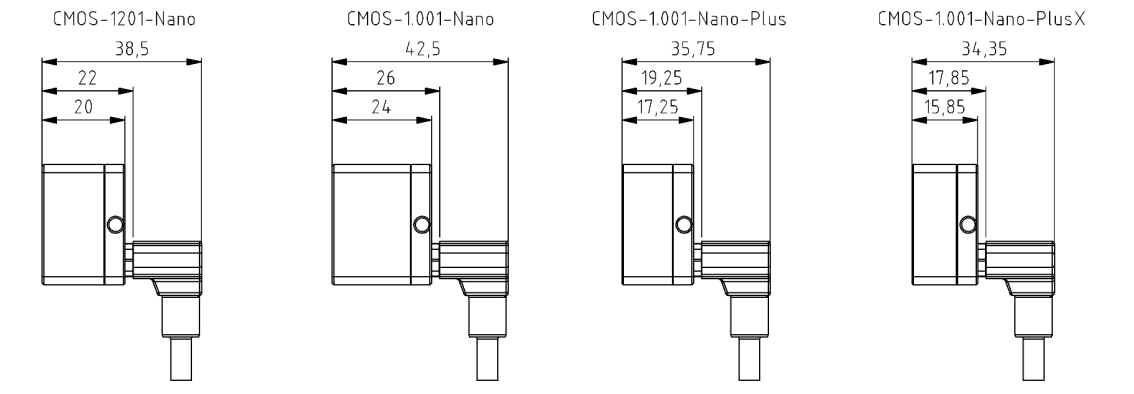
The CinCam CMOS Nano offers a standard package with a thickness of 24mm , with the the option of an ultra-narrow thickness of 15.85mm for space-sensitive applications. With a sensor as large as 11.3mm x 11.3mm, the CinCam CMOS Nano offers the best balance between a large sensor size and a compact footprint.
CinCam CMOS Pico: The Most Compact Beam Profiler
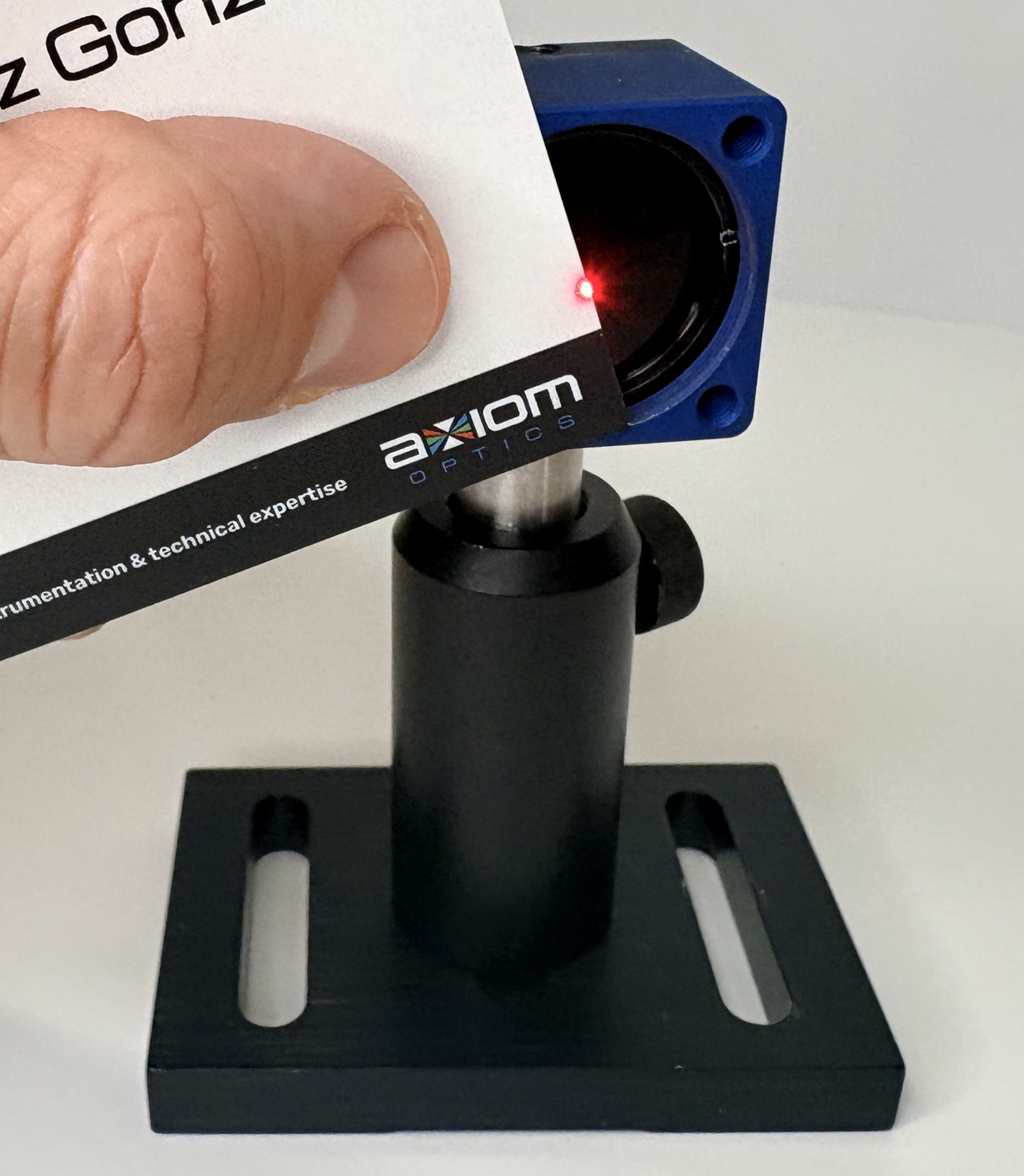
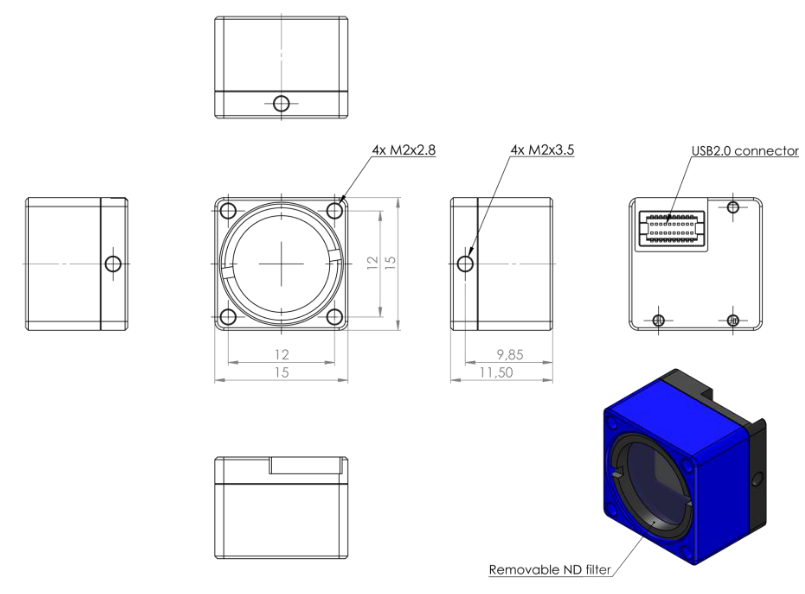
The CinCam CMOS Pico is the most compact beam profiler in the CinCam CMOS family. Featuring an active area of 5.7mm x 4.3mm, 2.2 μm pixels, and a thickness of only 11.5 mm, the CinCam CMOS Pico is a great solution for space-limited applications that also require high resolution.
Available to buy online on our online store
To learn more about laser beam profiling applications, visit our application page here
The particular cost-effective entry-level beam profiler CinCam CMOS is optimized to provide excellent sensitivity from <150nm to 1150nm (1320nm). The CMOS sensor is constructed without cover glass to avoid interference patterns. The lightweight and ultracompact design facilitates easy integration in optical assemblies.
The portable CinCam beam profiling camera is designed to be used in a variety of applications in industry, science, R&D, including: • Laser beam analysis of cw and pulsed lasers • Quick control of laser modes and adjustment errors • Test equipment for scientific research • Near-Field and Far-Field analyses of lasers, LED devices and other light sources
Different wavelength regions require different sensor types. Silicon-based sensors are a good choice for wavelengths in the visible and near-infrared spectral region up to roughly 1 or 1.1 μm, whereas InGaAs-based detectors can be used up to ≈ 1.7 μm. For ultraviolet lasers, CCD and CMOS arrays can be used in conjunction with UV conversion plates, converting the radiation to longer wavelengths which do not damage the arrays.
Features:
- Super compact design : down to 15 x 15 x 11.5 mm3
- Operating wavelength : 400-1320 nm extendable to UV or NIR with sensor coating
- Cost-effective & high quality solution
- High-resolution MPixel sensor without cover glass
- Real-time monitoring by high frame rate and dynamic range
- Standard high-speed USB 2.0 / 3.0 interface
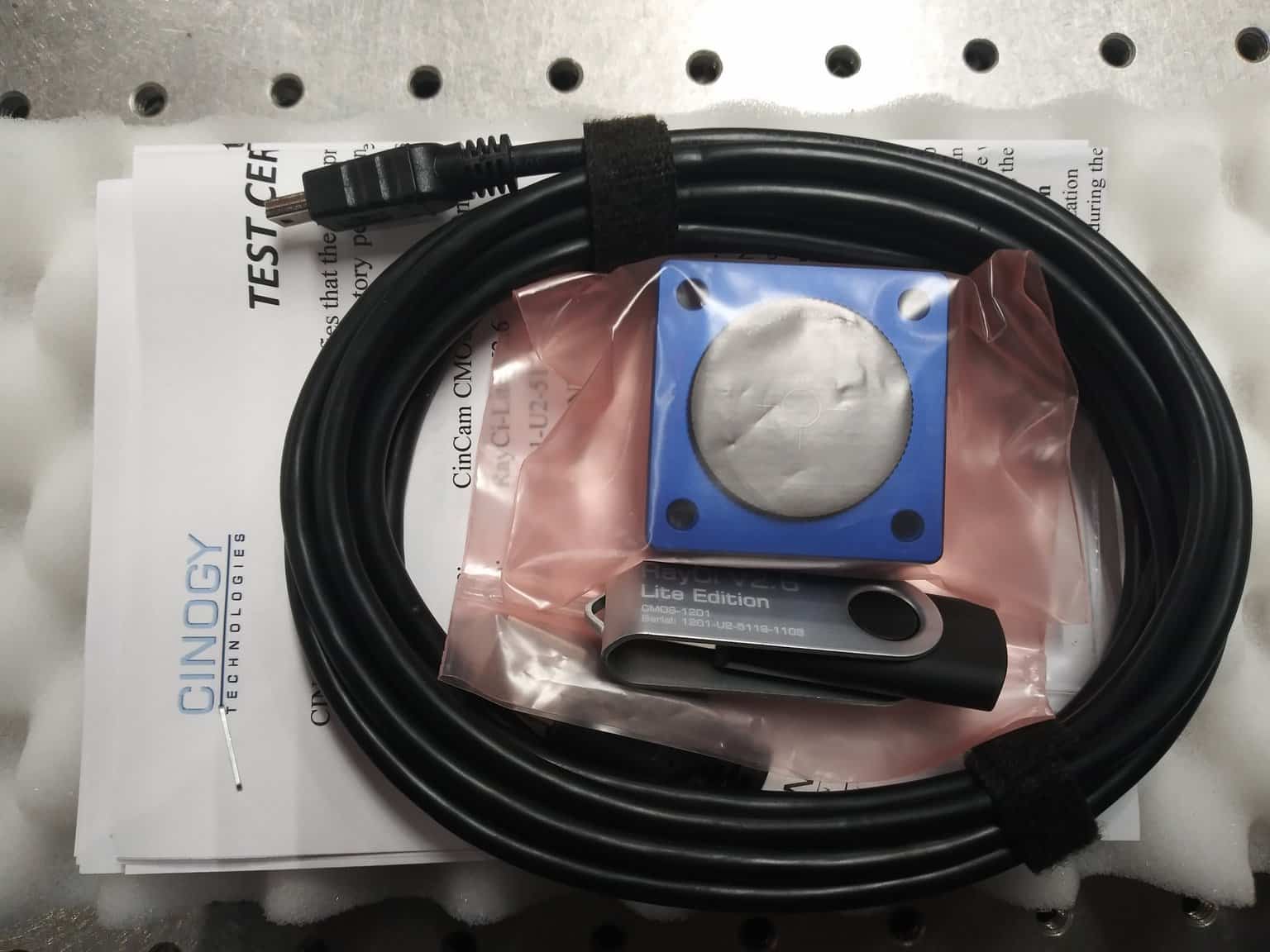
- Several RayCi software versions available : Lite, Standard (includes Labview SDK), Professional
Beam Profiler Applications
- Laser beam analysis of CW and pulsed lasers
- Alignment of lasers in production
- Quick control of laser modes and adjustment errors
- Near-field and far-field analysis of lasers
- Msquare measurement
RayCi Software for Beam Profilers
RayCi is a dedicated laser beam profiler software that utilizes newly developed correction algorithms and incomparable visualizations modes. This ensures the highest accuracy in beam profile analysis according to ISO standards. (ISO conformity: ISO 11145, 11146, 11554, 11670, 13694)
RayCi has different versions available:
– RayCi-Lite
– RayCi-Standard (Includes SDK)
– RayCi-Professional (includes SDK, beam quality / M2 measurement and simultaneous multi-camera measurements)
Please see specification tab for more information on versions.
Also be sure to visit our laser beam profiling application page to learn more and our online store to purchase select beam profilers directly.
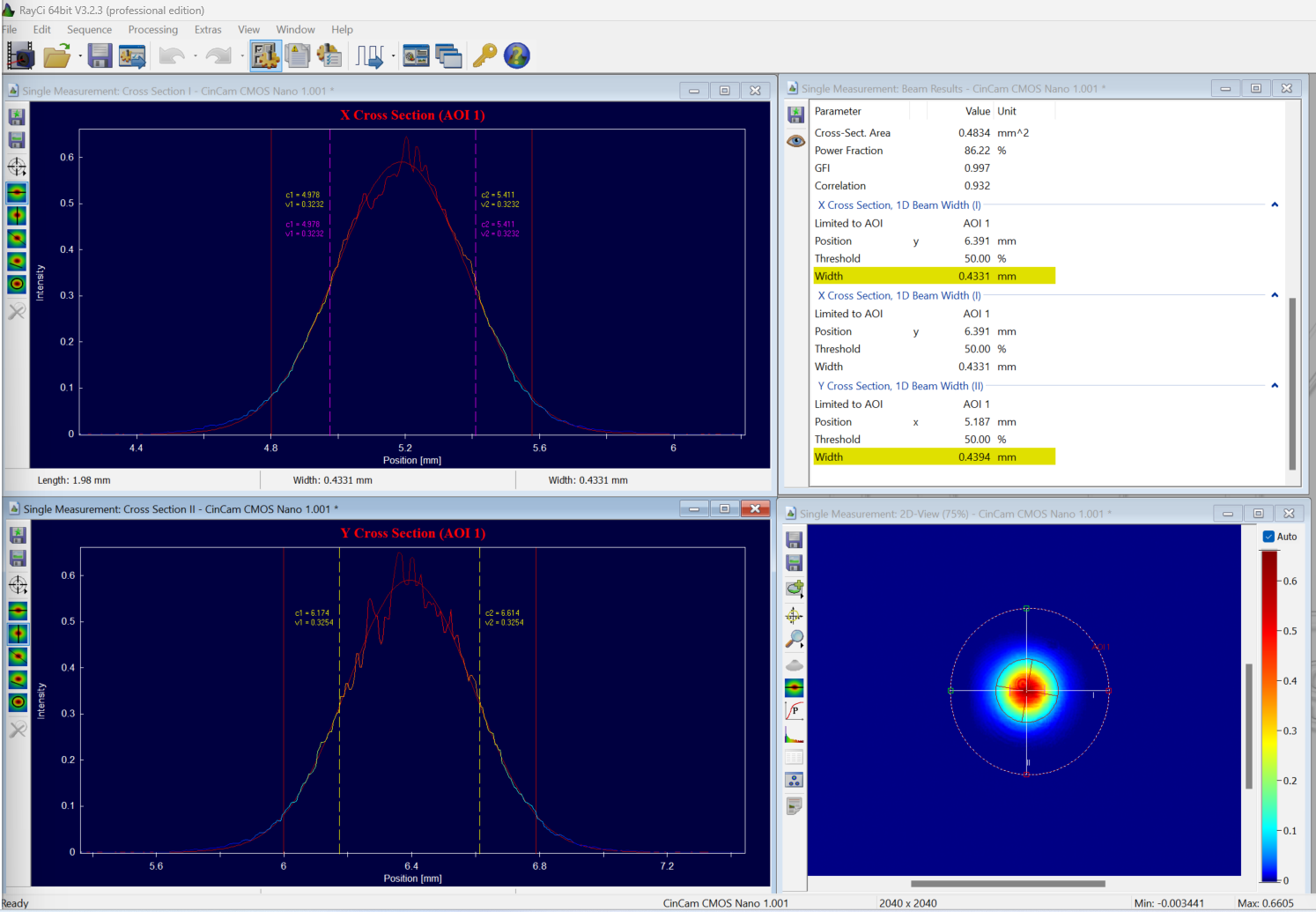
Cross Section Analysis – 1D Beam Width / Edge Steepness
Percentage of Peak:
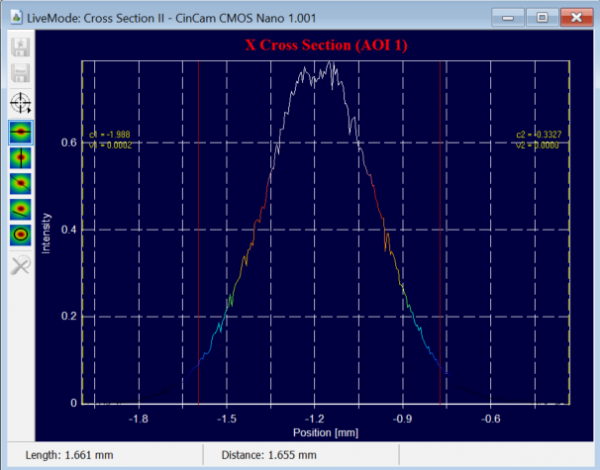
RayCi supports the most commonly used ‘percentage of peak’ method to determine the width from the beam cross section line. Therefore, two opposite markers are positioned automatically to the specified intensity level. The distance between the markers are used to define the beam width. Two pairs of markers can be used simultaneously to compare different settings. To expand the beam analysis level and roughness options with statistical values are available
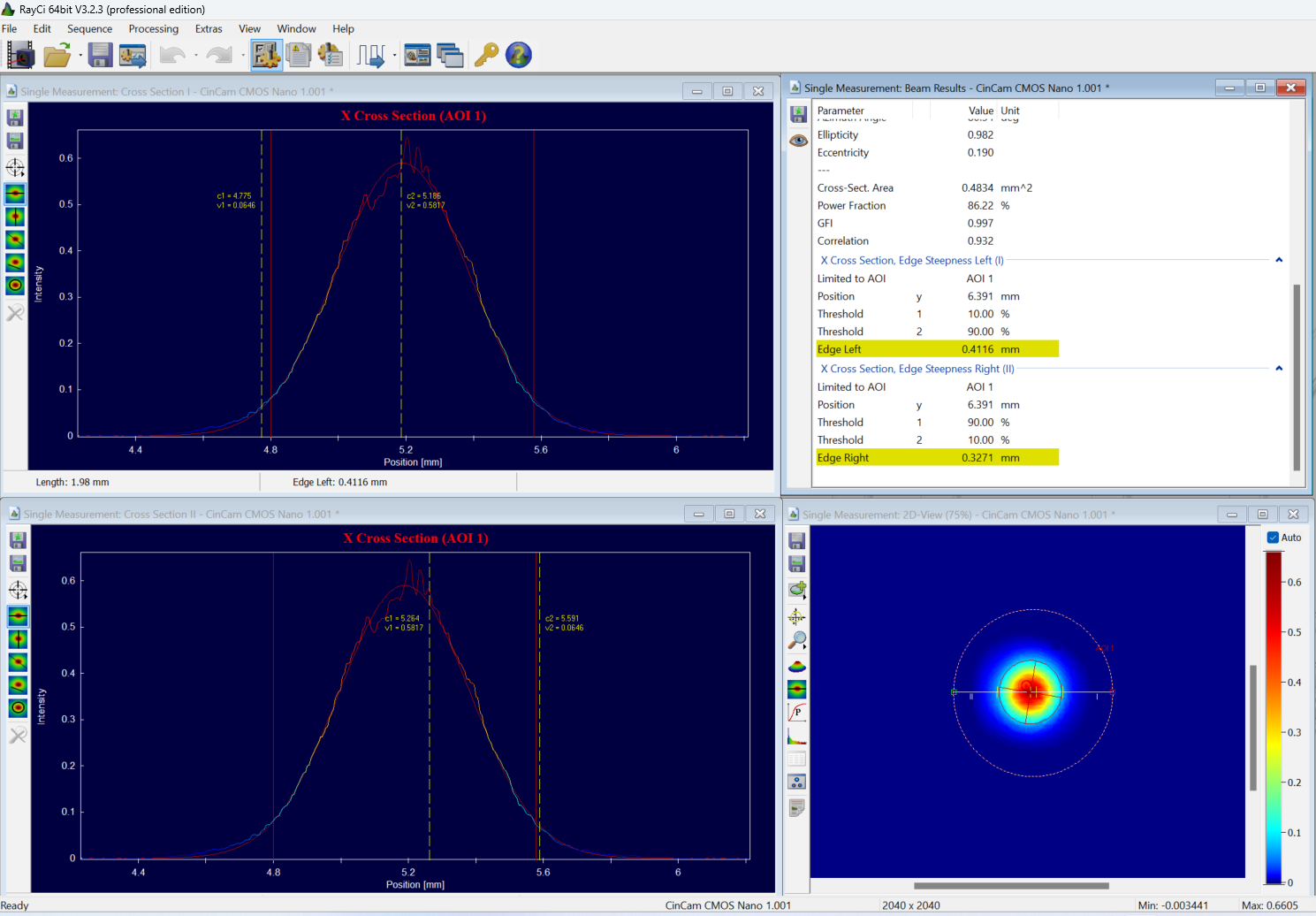
Edge Steepness:
Cross section lines of beam profiles are of particular interest for further beam analysis. Especially for flat-top beams the knowledge of the edge steepness is of great importance. RayCi defines the edge steepness of such beams by using different options.
2D Beam Width Analysis
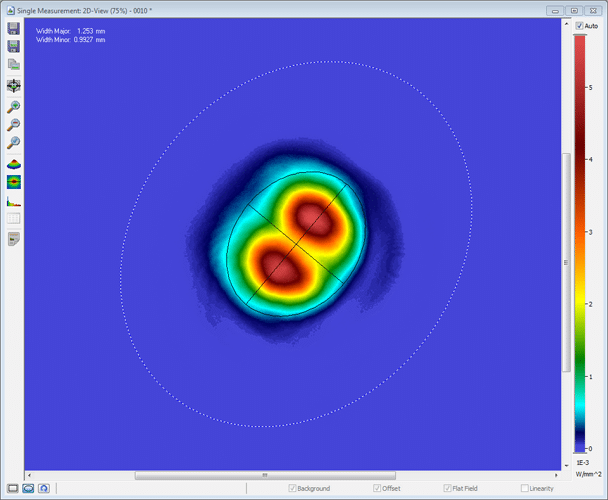
RayCi beam profiler software supports several 2D techniques to determine the beam width of a laser beam. The customer can choose the best technique for their application. This extensive tool on beam width techniques is unique on the market for laser beam profiling.
- 2nd moments (D4s)
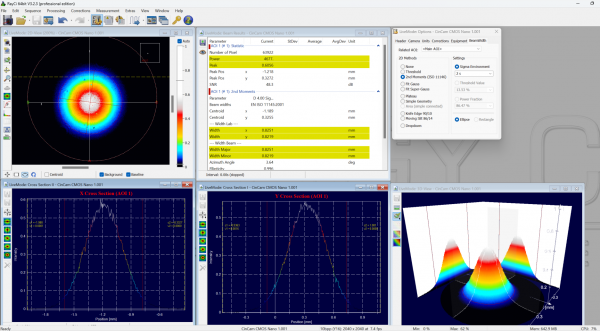
- Gauss/super gauss
- Knife edge/moving slit
- Plateau/geometry/area
Visualization Tool
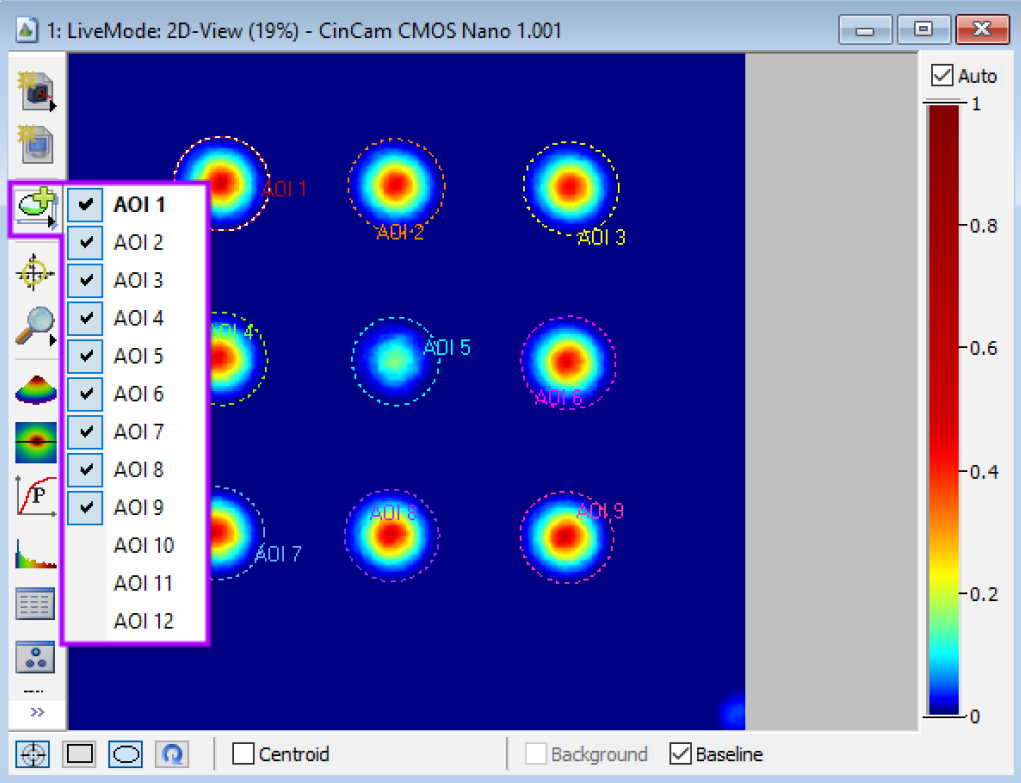
| Multiple AOIs |
|
 |
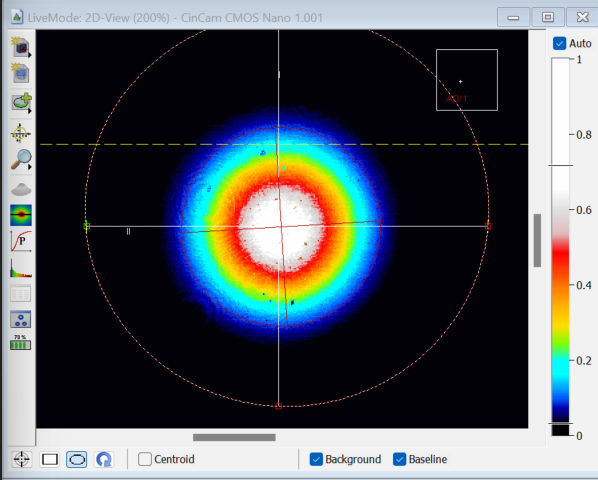
| 2D-View |
|
 |
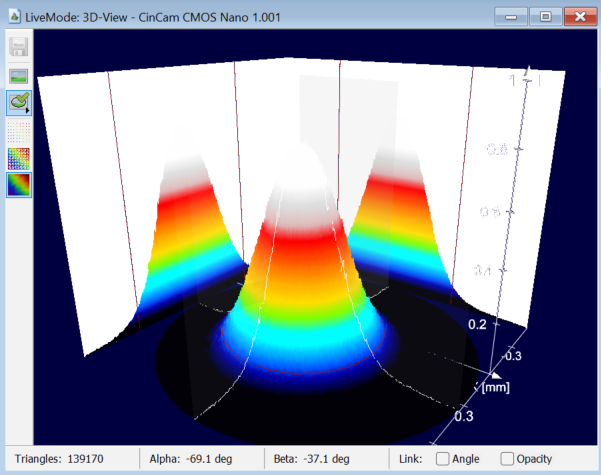
| 3D-View |
|
 |
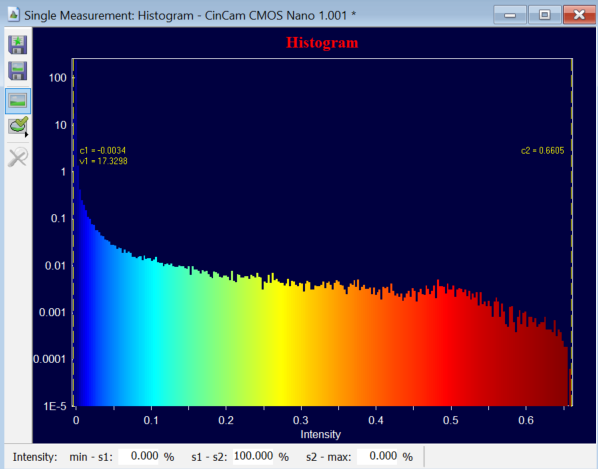
| Histogram |
|
 |
| Cross Section |
|
 |
| Beam Result |
|
 |
Measurement Tool
| Snapshot Single Measurement Time Series |
|
 |
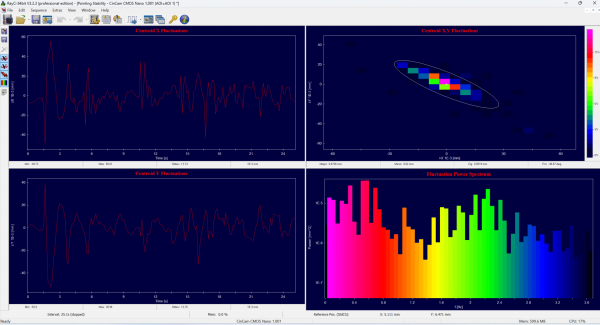
| Pointing Stability: |
|
 |
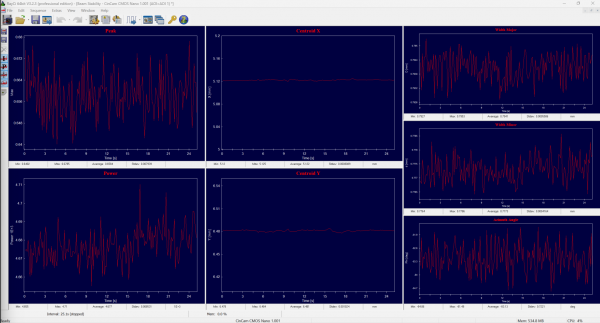
| Beam Stability |
|
 |
| Divergence Measurement |
|
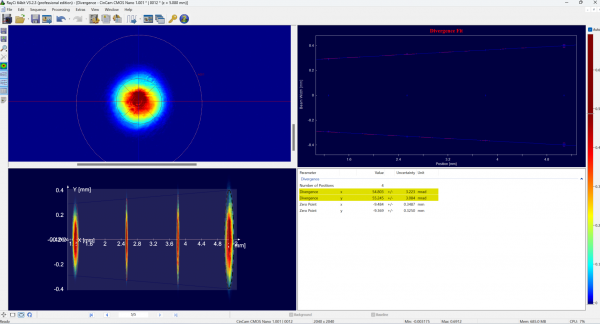 |
| Beam Quality M2 |
|
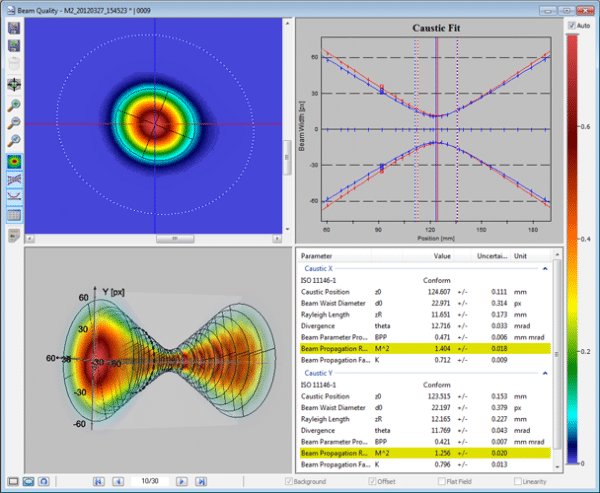 |
Options
- RT Option : Reflective Type 320-1150 nm or 320 -1320 nm
- UV Option: Sensor Coating (<150-1150nm) / without Microlenses (240-1150nm)
- NIR Option: Sensor Coating (1495-1595nm)
- RayCi Lite, RayCi Standard (includes Labview SDK) or RayCi Pro software versions ( see Ray-Ci brochure for details)
Technical drawings for different for body options of CinCam CMOS Nano
Contact us for more information