

Revealer | High-Sensitivity High-Speed Camera NEO25 (UV)
Sensor Type
Back-Side Illuminated (BSI) CMOS (Global Shutter, UV-Enhanced)
Spectral Sensitivity Range
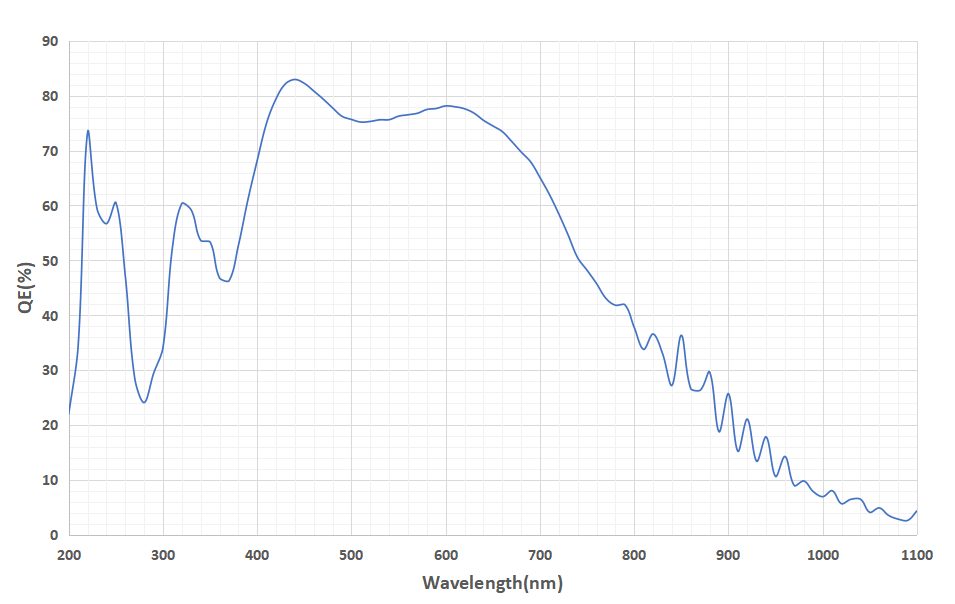
200 nm – 1100 nm
Sensor Resolution
1280 x 1024
Max Frame Rate
1,000,000 fps at reduced resolution
Pixel Size
20μm × 20μm
Data Interface
10Gb / 1Gb Ethernet
 Description
 Specifications
 QE Curve
 Applications
 Downloads
NEO 25 UV: High-Sensitivity Ultra-High-Speed UV Camera, 25,000 fps at 1280 × 1024
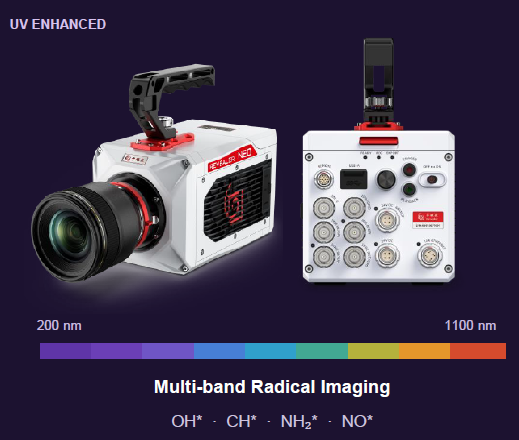
The NEO 25 UV high-speed camera is an advanced imaging solution specifically engineered for high-speed ultraviolet observation, low-light UV emissions and faint chemiluminescence analysis. Built around a new-generation back-side illuminated (BSI) CMOS sensor with enhanced UV sensitivity, it reduces reliance on external image intensifiers, removing them entirely for several emission bands, while maximizing photon capture efficiency across microsecond exposure times.
Achieving a maximum frame rate of 25,000 fps at full 1280 × 1024 resolution and reaching up to 1,000,000 fps at a reduced ROI (1280 × 16), the NEO 25 UV delivers unprecedented temporal precision for advanced flame diagnostics, plasma dynamics and high-energy physics research.
Built for demanding laboratory and field environments, the NEO 25 UV features an integrated mechanical shutter, IP64 ingress protection, robust shock and vibration resistance, and high-speed 10 Gb Ethernet data offloading.
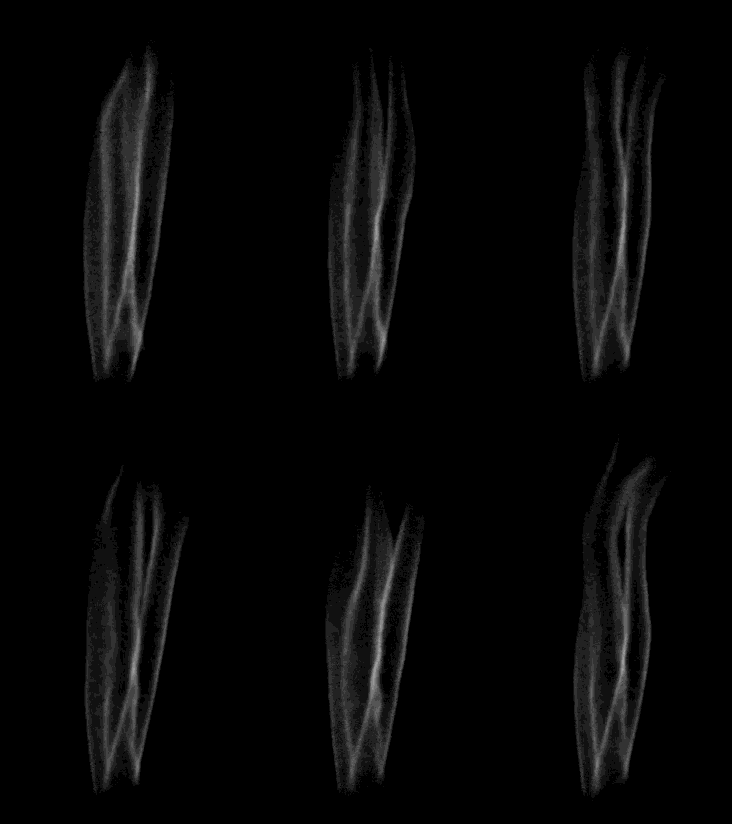
Key Advantages
- Direct high-sensitivity UV imaging: high-sensitivity BSI CMOS sensor architecture optimized for UV photon capture, with less reliance on external image intensifiers
- Ultra-high temporal resolution: full-resolution capture at 25,000 fps (1280 × 1024) and ultra-fast ROI speeds up to 1,000,000 fps (1280 × 16)
- Microsecond-level transient analysis: minimum exposure time down to 150 ns and a 250 ns PIV straddle time for capturing rapid transient events
- Large onboard memory: 160 GB or 320 GB high-speed RAM to capture high-frame-rate sequences seamlessly
- High-speed offloading and connectivity: 10 Gb Ethernet, SDI/HDMI direct video output and DC IRIG-B timing code input
- Ruggedized construction: IP64 protection standard, 30 Grms shock resistance, 7.5 Grms vibration resistance and customizable operating temperatures down to −35 °C
NEO 25 UV: Multiple Bands, Different Reaction Zones
The NEO 25 UV significantly expands the radical bands that can be observed directly without an image intensifier. The key limit in high-speed UV imaging is the rapid photon loss per frame as exposure time shortens. The NEO 25 UV improves direct UV photon detection at the sensor level, allowing several radical bands to bypass the extra intensifier stage.
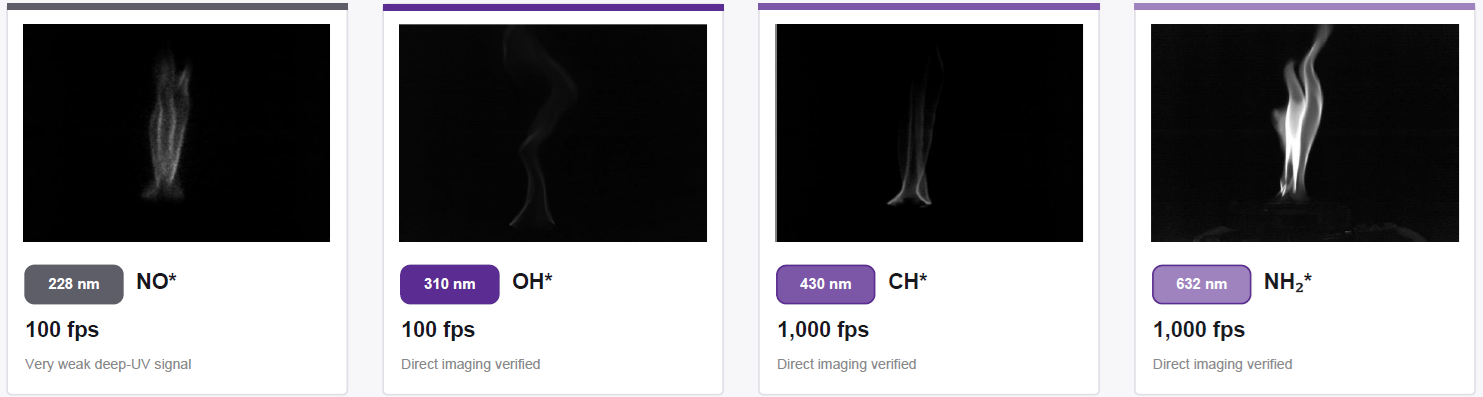
Which emission band shows which reaction zone?
Results from the manufacturer’s high-speed UV study of a methane-ammonia flame with the NEO 25 UV, using narrowband filters at four band centers.
Observable without an intensifier, depending on the photon budget. The NEO 25 UV responds at 228 nm, so NO* can be observed without an intensifier when the photon budget allows: strong emission, long exposures at low frame rates and a fast UV lens. The manufacturer’s weak methane-ammonia flame was imaged at 100 fps at maximum exposure with a 100 mm f/2.0 UV lens, with an intensifier added for that flame.
Direct imaging at 100 fps; at higher rates it depends on the photon budget. A clear contour at 100 fps with an 8,000 µs exposure and no intensifier. At 1,000 fps the study added an intensifier for this flame to resolve flame-front fluctuations.
Direct imaging at 1,000 fps without an intensifier. Imaged directly at 1,000 fps at maximum exposure. Resolves flame-front curvature and entrainment.
Direct imaging at 1,000 fps without an intensifier. Imaged directly at 1,000 fps at maximum exposure with high contrast; more widely distributed than OH* or CH*.
QE points are manufacturer-stated; the flame is a schematic of the reported zone locations, not measured data. Band centers are filter centers used in the study.
Photon Budget: Why UV Signal Falls as Frame Rate Rises
Each frame can only integrate light for as long as the frame interval allows: up to 10,000 µs at 100 fps, but 40 µs at 25,000 fps and 1 µs at 1,000,000 fps. Weak deep-UV emitters hit the photon limit first, so choose the frame rate your event actually needs, use a fast UV lens such as the CERCO 100 mm F/1.9, and reduce the region of interest only when the fastest motion is confined to a narrow area.
How much UV signal does each frame get?
Exposure can never exceed the frame interval, so each step up in frame rate cuts the light per frame. Lens f-number scales it again by 1/N², shown here with CERCO UV lenses in F mount.
Geometry and timing only, assuming the longest exposure at each rate; for an extended source such as a flame, image brightness depends on f-number, not focal length. Whether a band needs an intensifier depends on this budget and on emission strength. Lens data from the CERCO UV lens datasheets.
NEO 25 UV frame rate and record time by region of interest
| Resolution | Frame rate | Frame interval | Record time (160 GB) |
|---|---|---|---|
| 1280 × 1024 | 25,000 fps | 40.00 µs | 3.15 s |
| 1280 × 896 | 28,700 fps | 34.84 µs | 3.17 s |
| 1280 × 720 | 35,000 fps | 28.57 µs | 3.20 s |
| 1280 × 640 | 39,500 fps | 25.32 µs | 3.23 s |
| 1280 × 512 | 49,000 fps | 20.41 µs | 3.28 s |
| 1280 × 256 | 92,000 fps | 10.87 µs | 3.53 s |
| 1280 × 16 | 1,000,000 fps | 1.00 µs | 5.71 s |
Easy to Use: The Most Comprehensive Hardware Interface Suite for Complex Application Scenarios
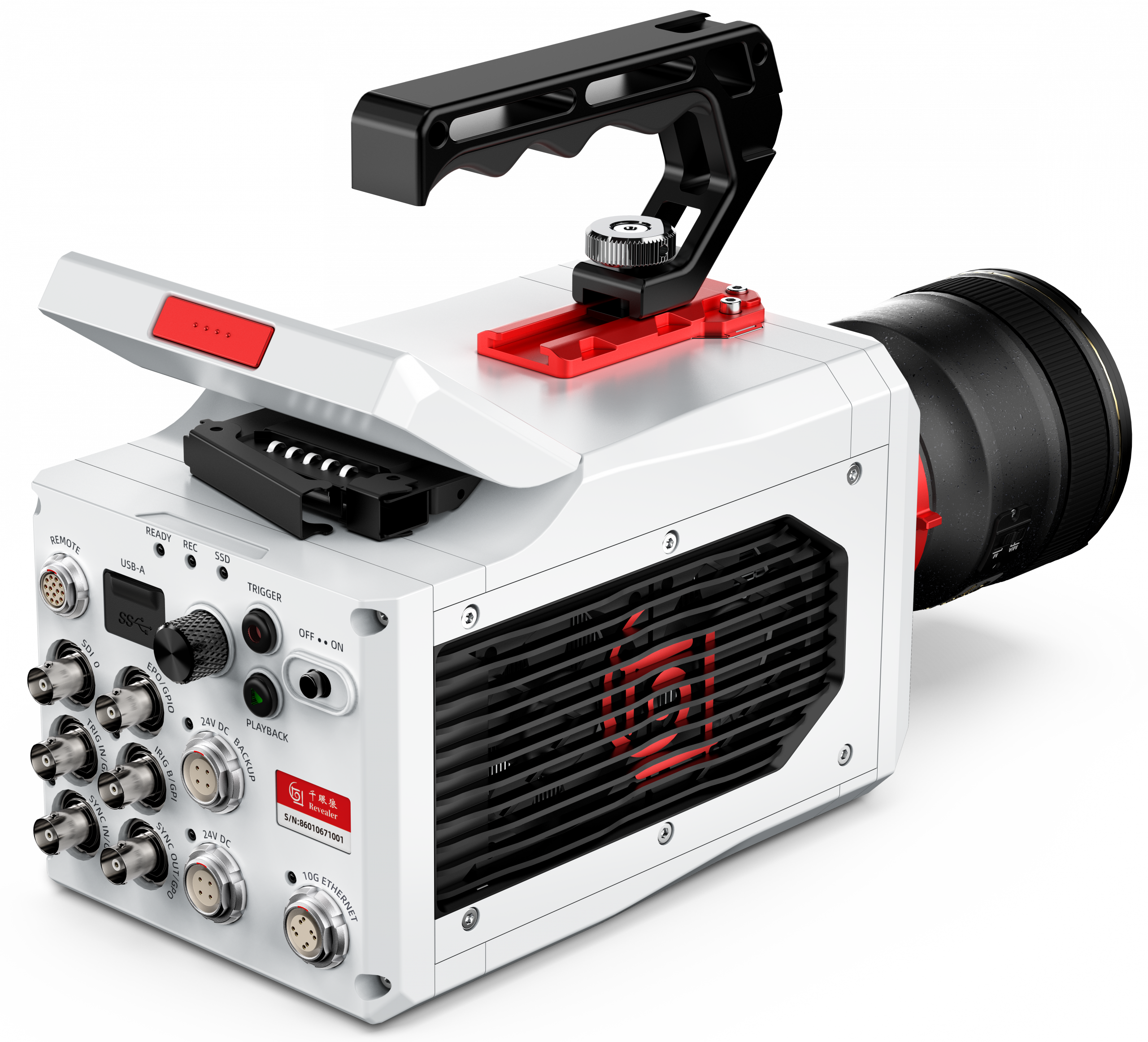
- Data transfer interface: 10 Gigabit Ethernet, backward compatible with Gigabit Ethernet
- Video output interface: 3G-SDI, HDMI
- Advanced I/O configuration: expands hardware interface functionality
- Lens mount: standard EF mount, supports F and C mounts (pair with F-mount CERCO UV lenses for deep-UV bands)
- USB port: supports an external Wi-Fi module for wireless camera control from mobile devices
HyperStor Storage: Record, Export and Start the Next Run
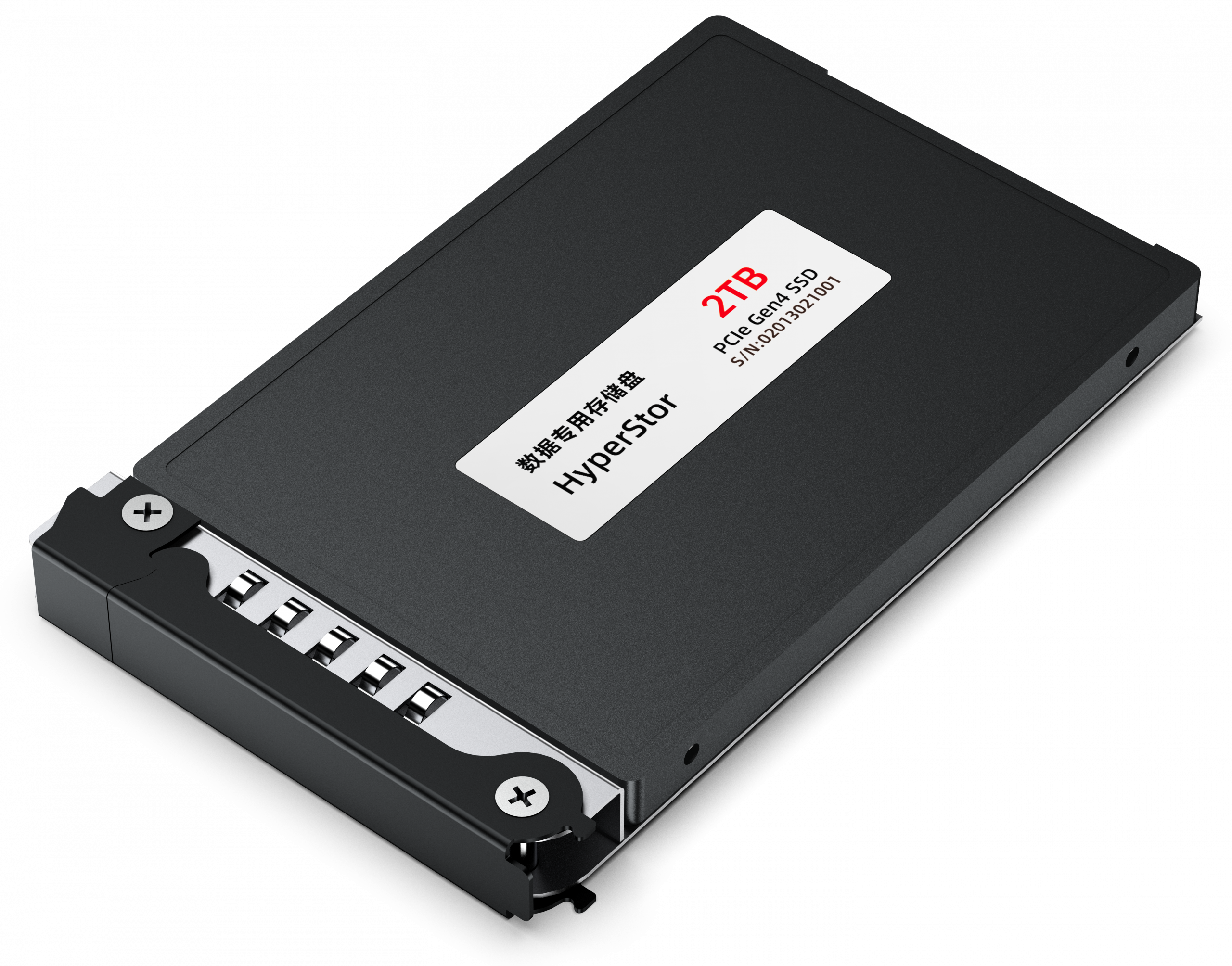
- HyperStor data storage drive: hot-swap functionality, flash storage chips and secure data backup
- Simultaneous recording and exporting enables real-time transfer of camera data, maximizing storage efficiency
- Capture and download without interruption: experiments conclude as the download finishes, eliminating wait times
NEO 25 UV FAQ
What is the NEO 25 UV high-speed camera used for?
High-speed ultraviolet observation, low-light UV emission and faint chemiluminescence analysis, including flame diagnostics, plasma dynamics and high-energy physics research. Its BSI CMOS sensor covers 200 to 1100 nm.
Does the NEO 25 UV need an image intensifier?
Not necessarily. The NEO 25 UV images directly from 200 nm, including the 228 nm NO* band, so radicals can be observed without an intensifier when the photon budget allows. That budget depends on emission strength, frame rate (which caps exposure), lens aperture and filter bandwidth. In the manufacturer's weak methane-ammonia flame, CH* (430 nm) and NH₂* (632 nm) were imaged directly at 1,000 fps and OH* (310 nm) at 100 fps, while an intensifier was added for OH* at 1,000 fps and for NO*.
What spectral range and quantum efficiency does the NEO 25 UV offer?
The manufacturer specifies a 200 to 1100 nm response, with about 60% quantum efficiency at 250 nm, an 85% peak in the visible, about 40% at 808 nm and about 10% at 1000 nm.
How fast can the NEO 25 UV record?
25,000 fps at full 1280 × 1024 resolution, rising to 1,000,000 fps at a 1280 × 16 region of interest. With 160 GB of RAM the manufacturer lists about 3.15 s of recording at full resolution and about 5.71 s at 1,000,000 fps.
Why does UV signal drop as frame rate increases?
Exposure cannot exceed the frame interval. At 100 fps a frame can integrate for up to 10,000 µs, but at 25,000 fps the limit is 40 µs, so each frame collects at most 1/250 of the light. Weak UV emitters reach the photon limit first.
Which lenses should be used for UV imaging?
Use UV-transmitting optics for work below roughly 350 nm, where ordinary optical glass absorbs strongly. The camera accepts EF lenses as standard, with F and C mounts supported. CERCO UV lenses in F mount, such as the 100 mm F/1.9, 100 mm F/2.8 and 200 mm F/2.8, transmit down to about 220 nm and are available from Axiom Optics.
Can the NEO 25 UV be used for PIV?
Yes. It supports double-frame PIV with a 250 ns straddle time and a 150 ns minimum exposure, with TTL sync input and output for laser synchronization.
How is data offloaded from the camera?
Over 10 Gigabit Ethernet, backward compatible with Gigabit Ethernet, with 3G-SDI and HDMI for live video. The hot-swap HyperStor drive supports simultaneous recording and exporting.
Plan your UV high-speed setup
Axiom Optics can help you match band, filter, UV lens and frame rate to your experiment, and advise when an intensifier is still worth adding.
NEO 25 UV Spectral Response
Software: Equipped with the Revealer RCC4.0 Acquisition System for Enhanced Imaging, Processing, and Display
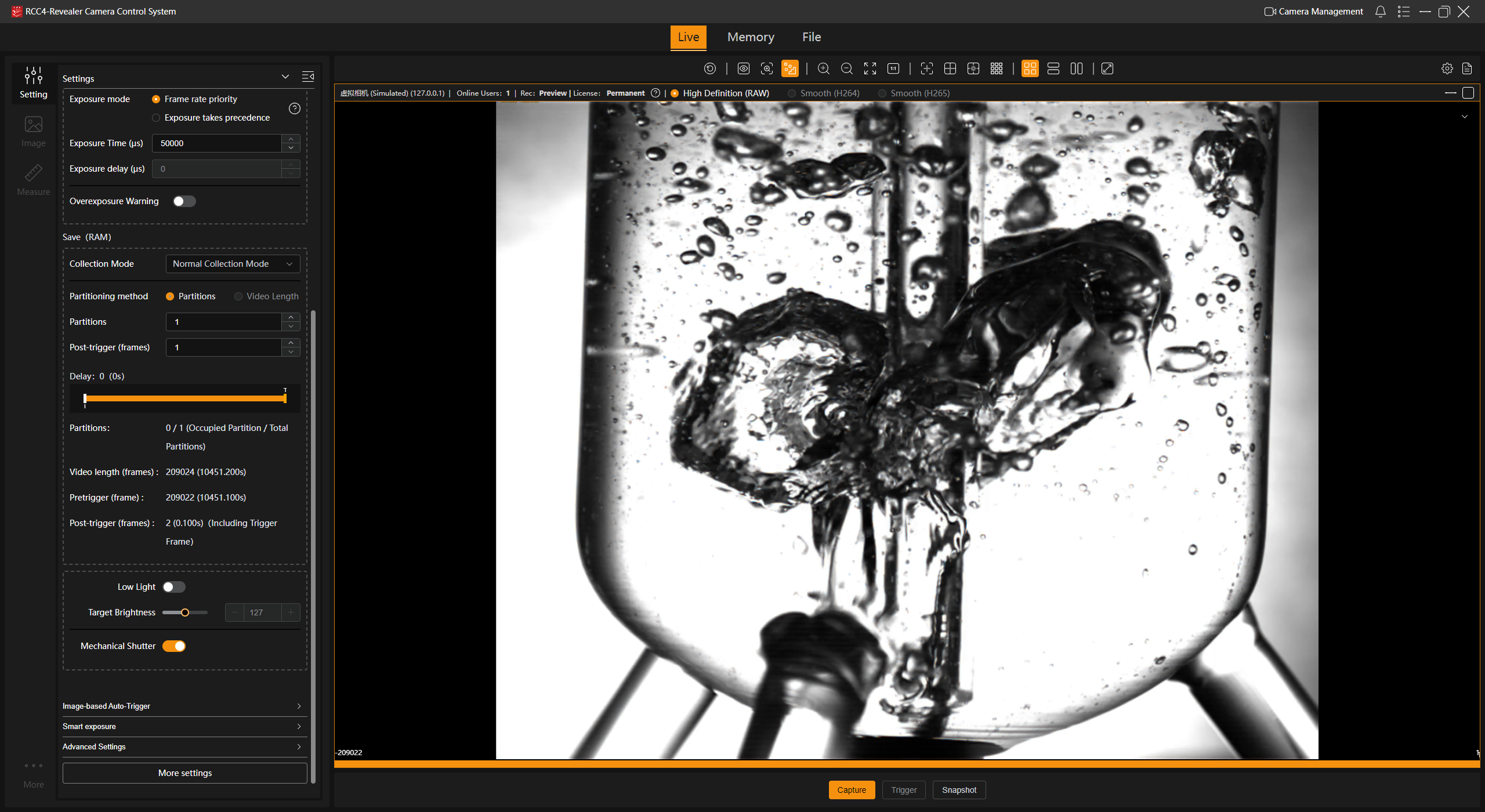
Each Revealer High-Speed camera comes with the Revealer RCC4.0 acquisition suite for imaging, processing, display, and managing storage. Its modular design enables seamless connection, data acquisition, and export operations throughout the entire workflow. It was designed as a multi-device suite, allowing multi-threaded management: shooting, downloading and analysis operate independently without interference. It supports secondary processing of local data, serving not only as data acquisition and control software, but also as a video player. Supports data analysis, point, line, and area measurements.
- Keyframe Detection: Using image change-detection, Keyframe Detection scans ultra-high-speed recordings and marks the segments most likely to contain the moment you care about.
- Variable Frame Rate Recording: With options for an Instantaneous or Gradual frame rate change, it allows to capture efficiently transient events, or continuous processes with slow transitions.
- Dual-Exposure Mode: Switches exposure time during capture so both a very bright and very dark region stay readable.
- Scheduled & Line-Crossing Triggers: Auto-fire at a preset time and count, or fire when a target crosses a preset line to catch a relevant event.
- Multi-Camera Synchronized Capture: All cameras capture on the same frame, driven by camera time-synchronization. Essential for 3D reconstruction and multi-angle analysis.